
I don’t remember having traveled in a propeller plane but leaving from Bangkok to Laos I did in a 72-passenger propeller plane.
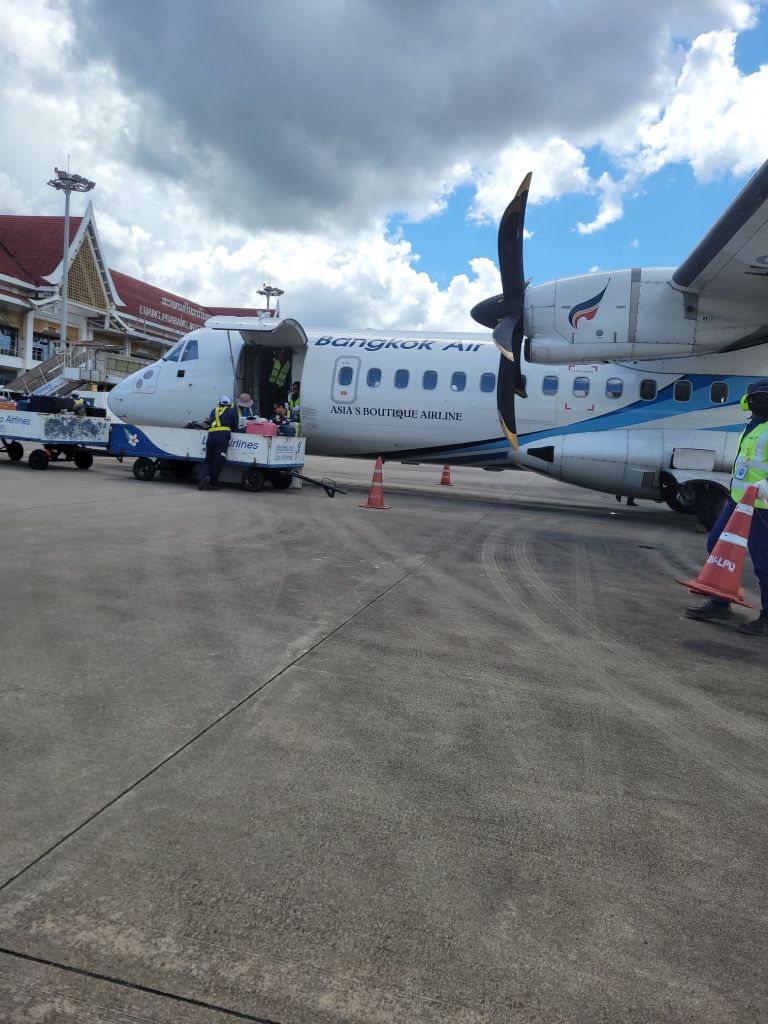
The flight was uneventful and short.


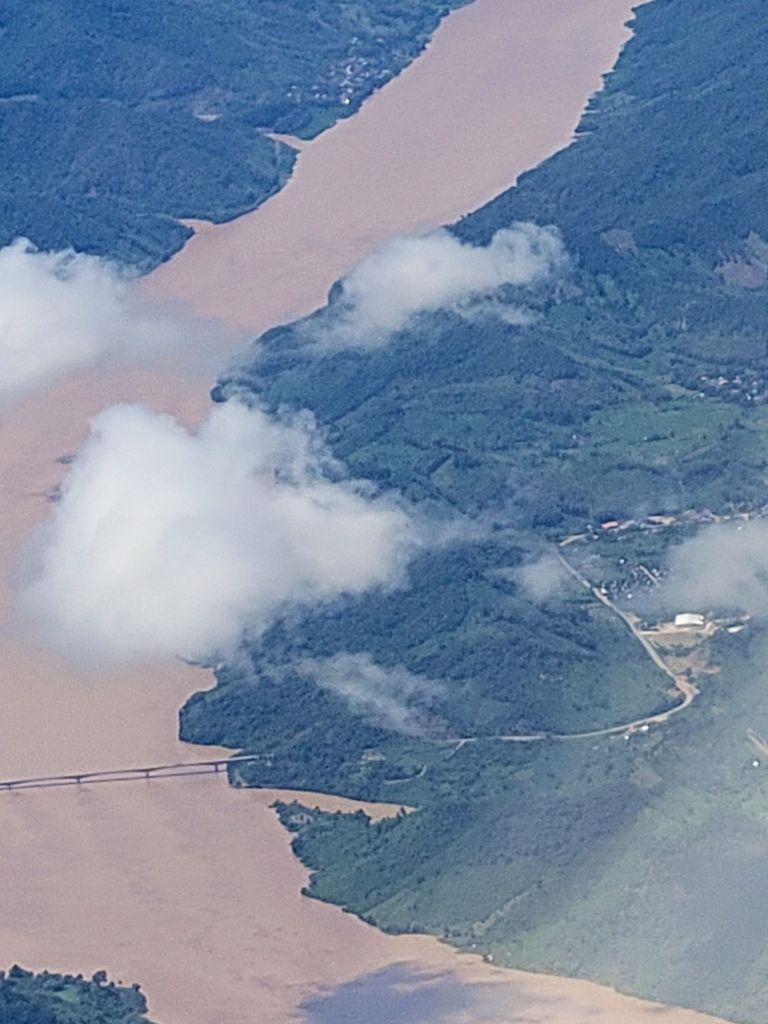
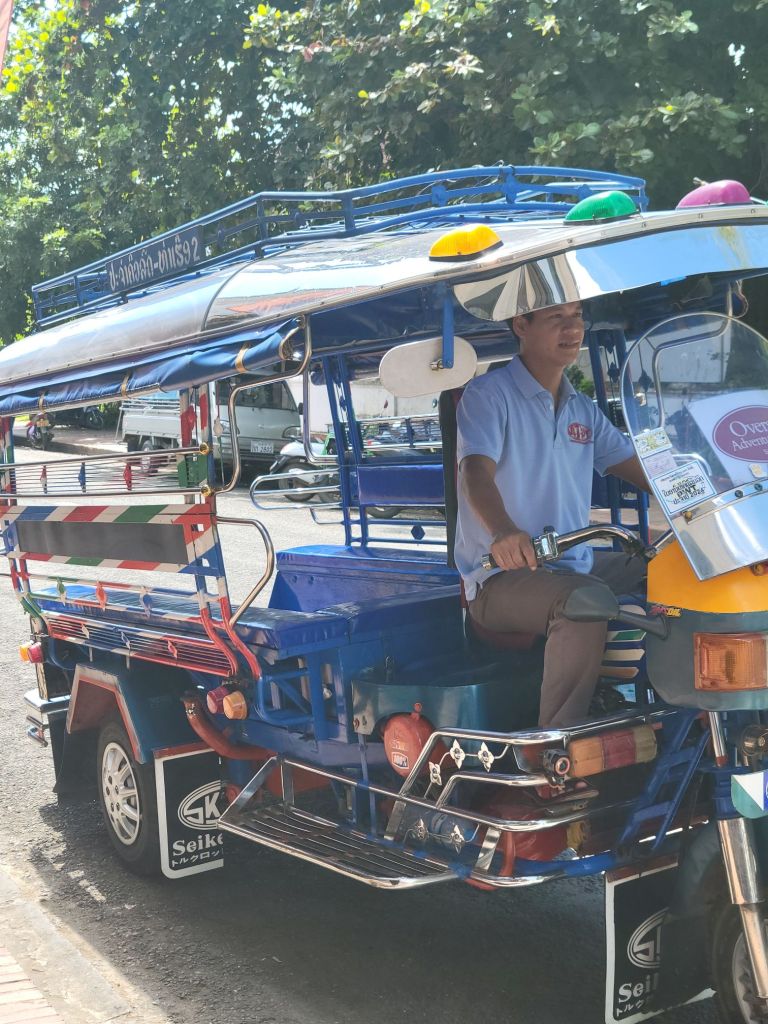
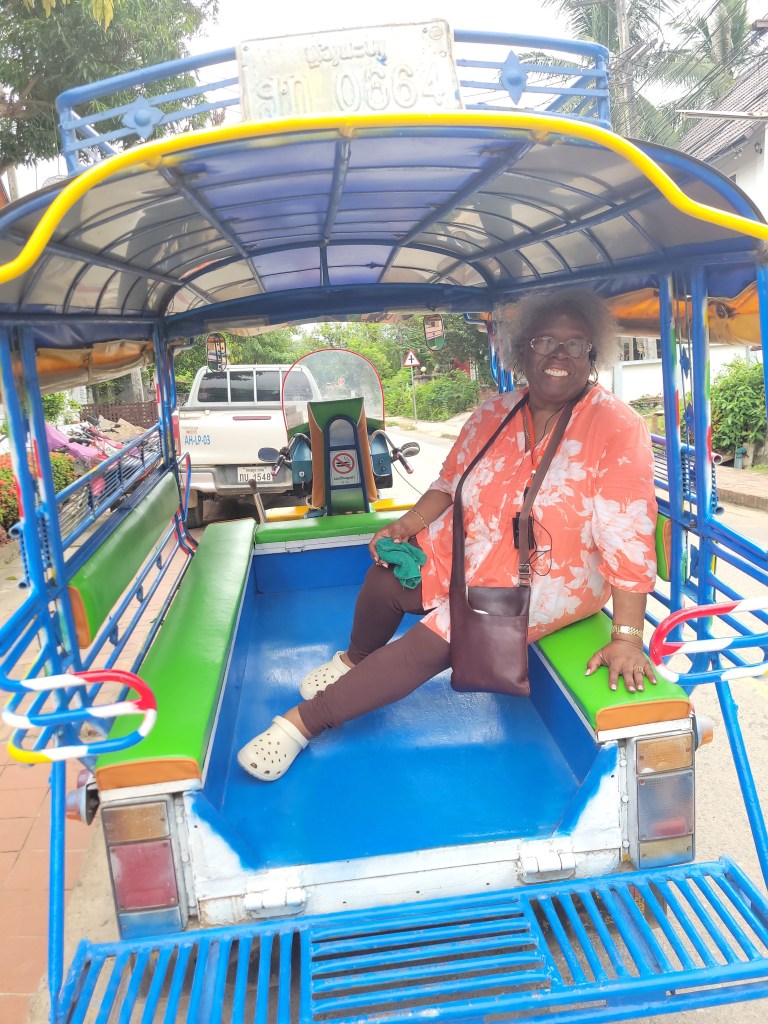
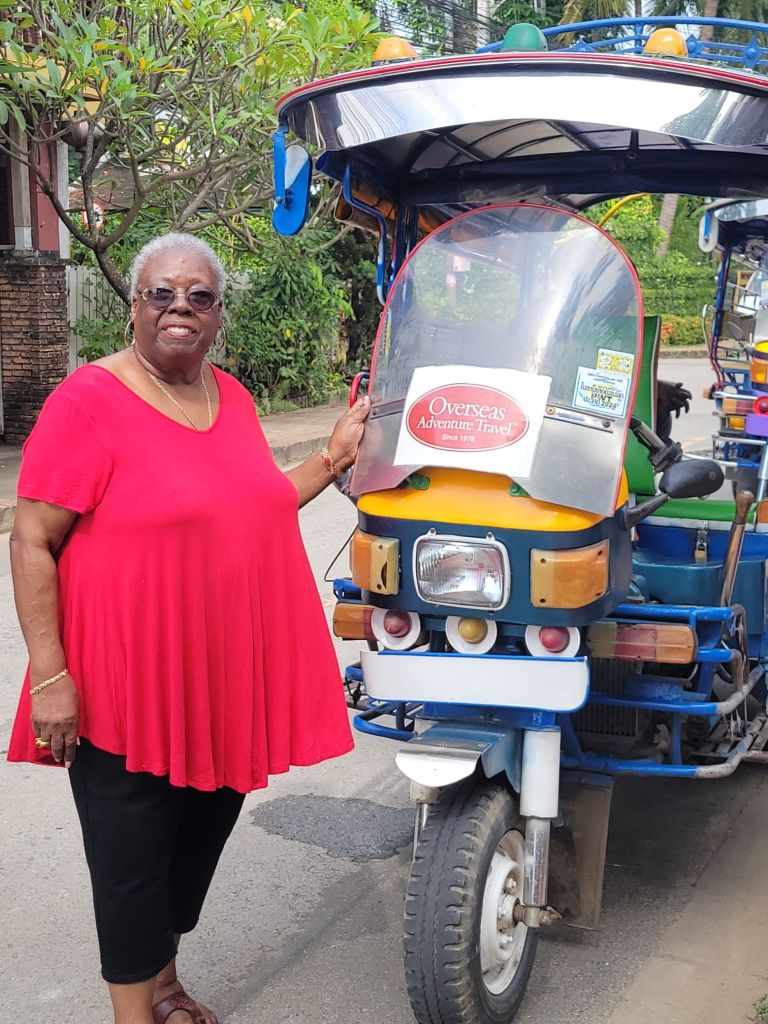
We arrived in Laos transferred to a regular sized coach that could not go into the town of Luang Prabang, so at the edge of the town, we changed to a Jumbo.

After checking in at the hotel, we went on an orientation walk. We walked along the main road with a lovely view of the river in the setting sun. There were outdoor cafes perched on the banks overlooking the river. The place was busy with people strolling around.


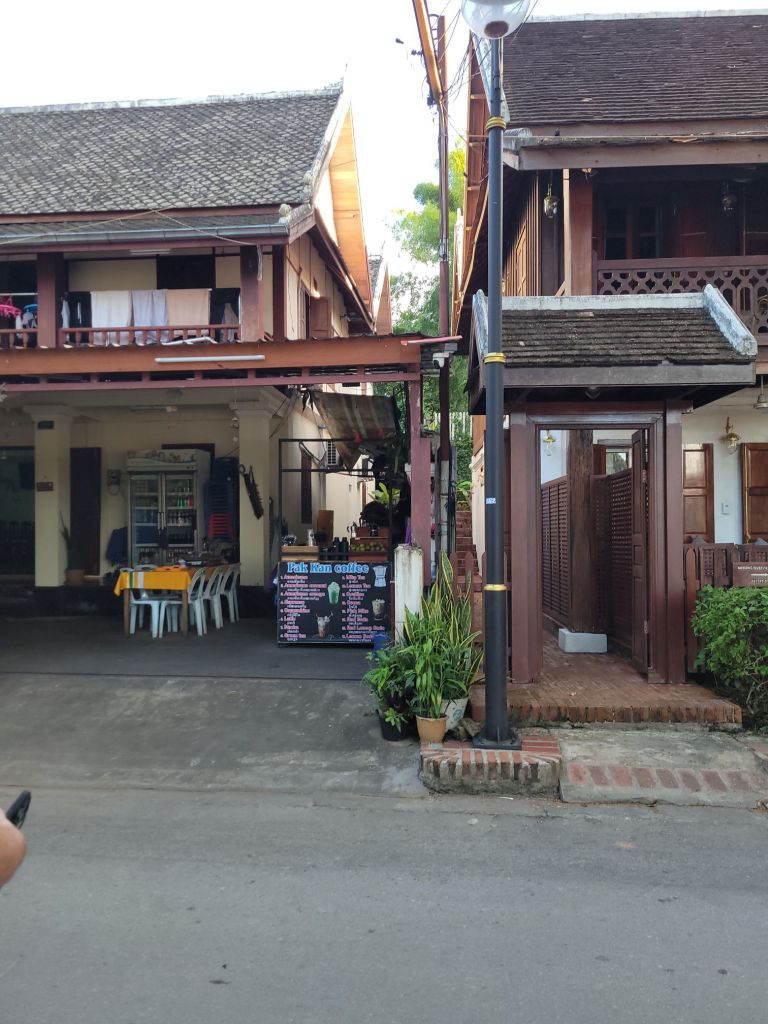

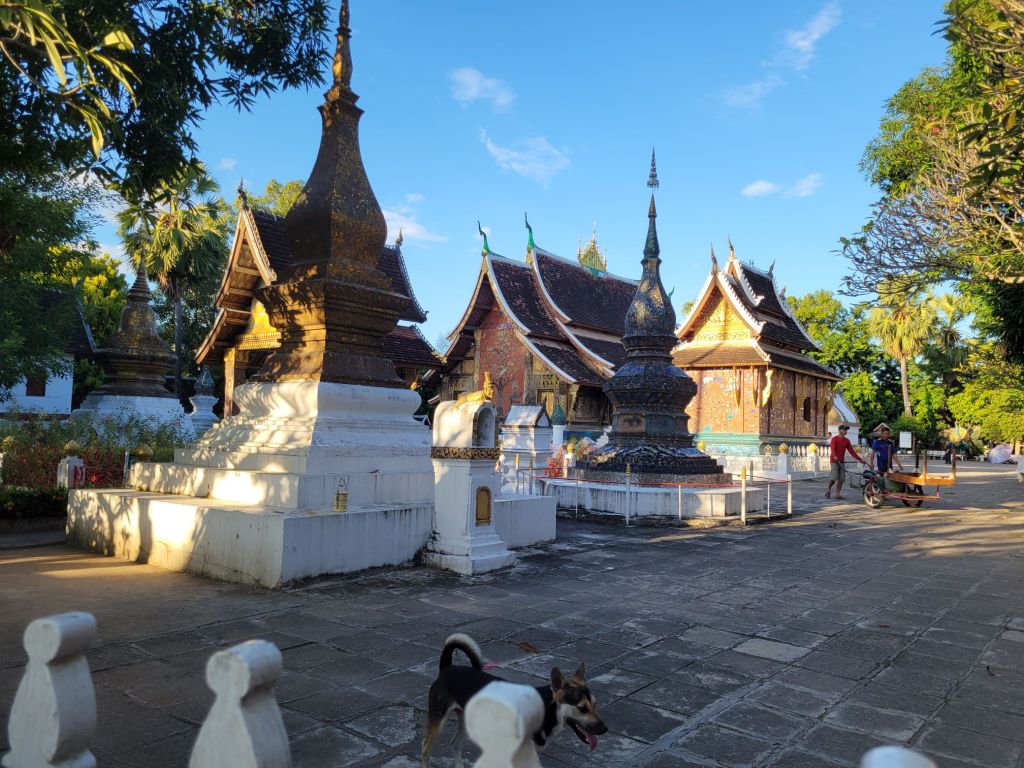


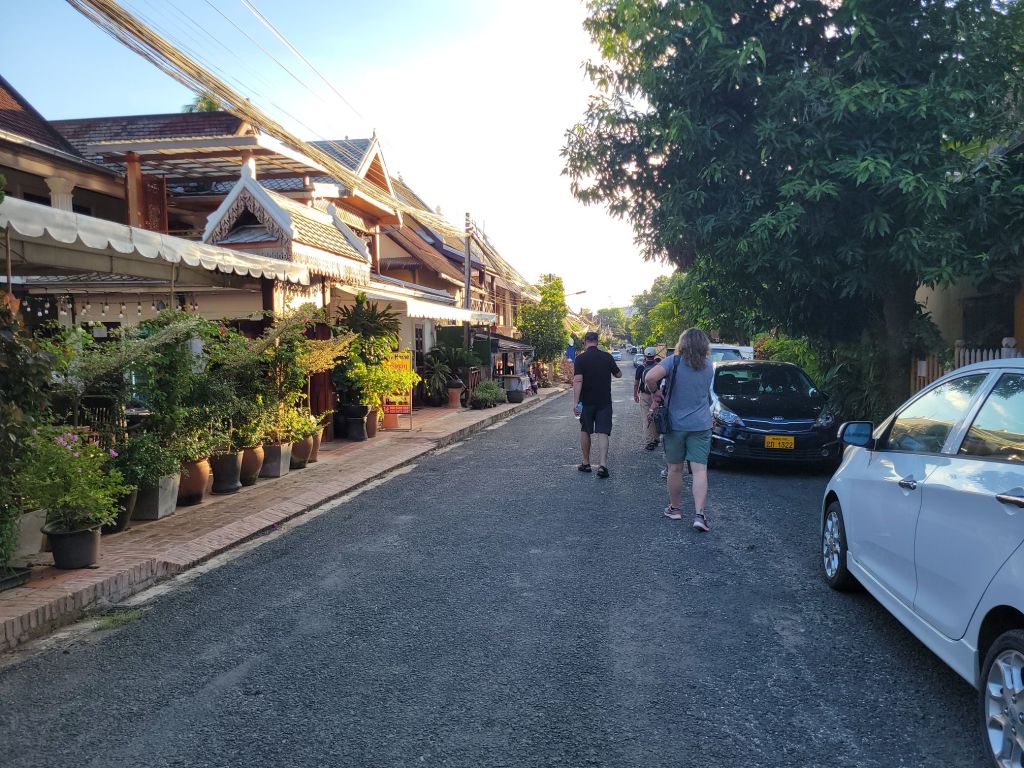
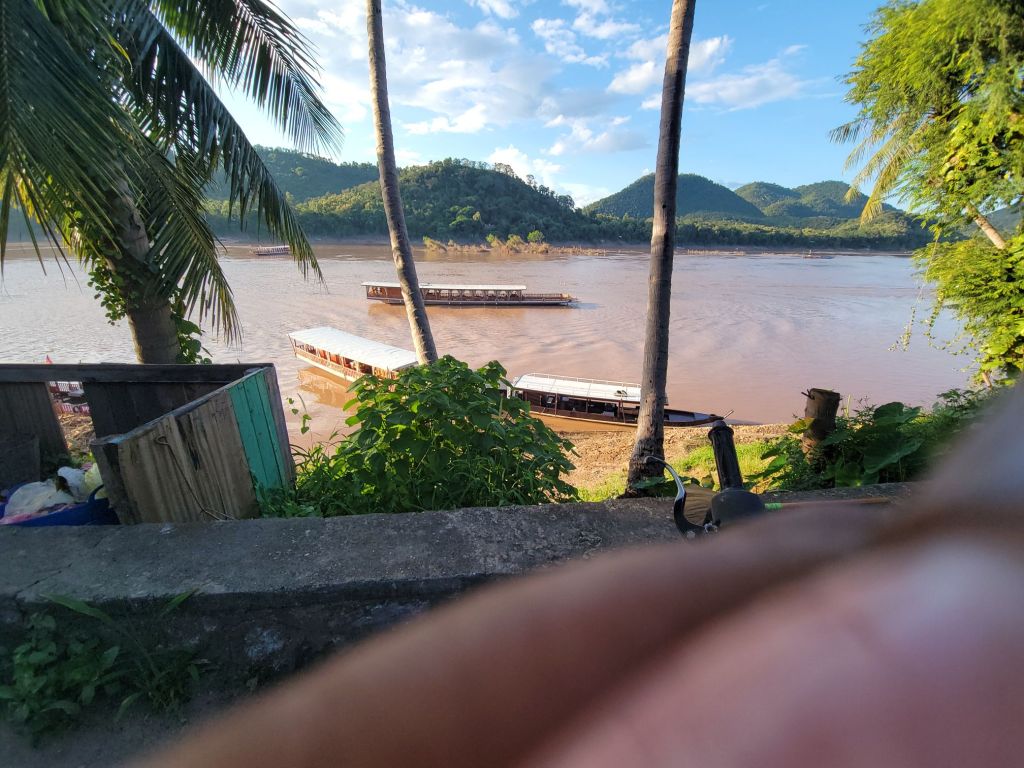


We later visited the night market with vendors selling articles of clothing, jewelry, food, articles for the house and souvenirs. Along the street, there were shops to get a beverage or have a meal.


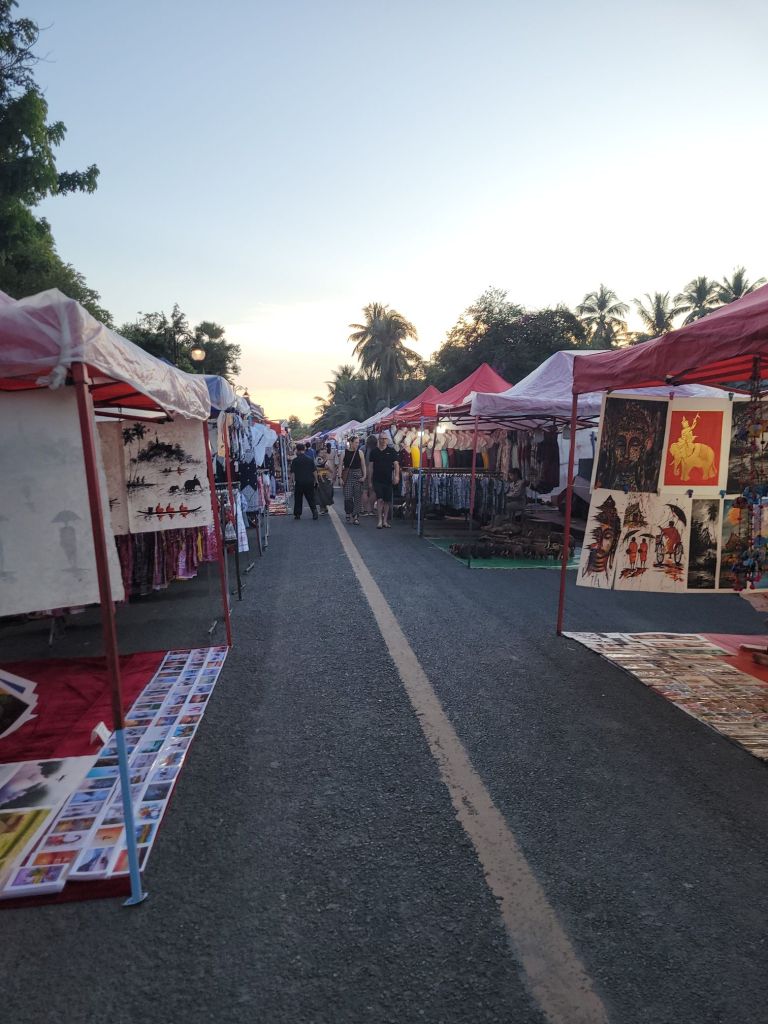
We are now going sailing on the Mekong River. We strolled down the incline to our traditional wooden boat at the pier. The Mekong River is home to many species of fish , including tilapia, Mekong giant catfish, carp, and many others. Mekong River is said to be forty to fifty feet deep.
There is an interesting story about Naga fireballs this is an annual occurrence where balls of fire rise out of the water into the night. As we sailed along the river, you could see bottles floating, these were locating fishing receptacles. Other than those bottles once in a while, the river seemed clean of debris with a brown color.
As you cruise by you can see the marked evidence as to the height the water level gets to during floods. We observed farmers working on the banks.
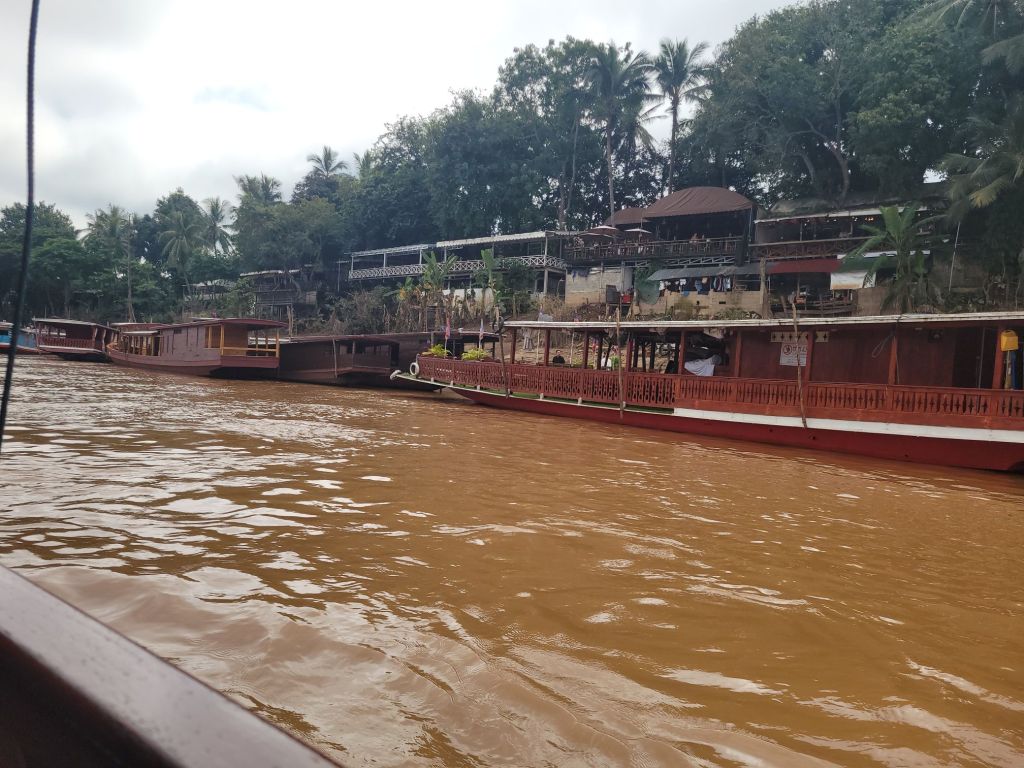
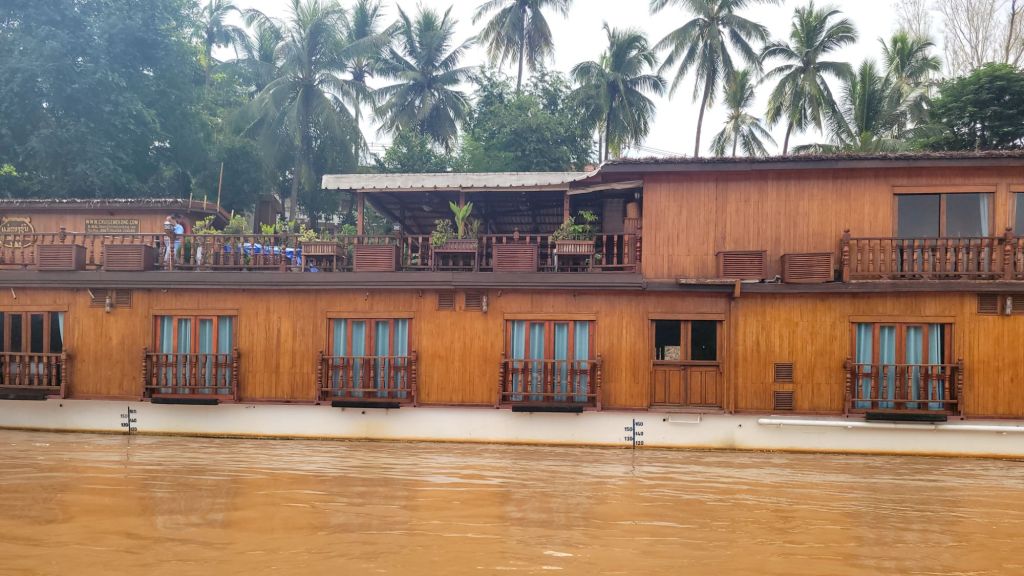


We made a stop at the Muangkham Village supported by grand circle foundation. A mild trek up to the village


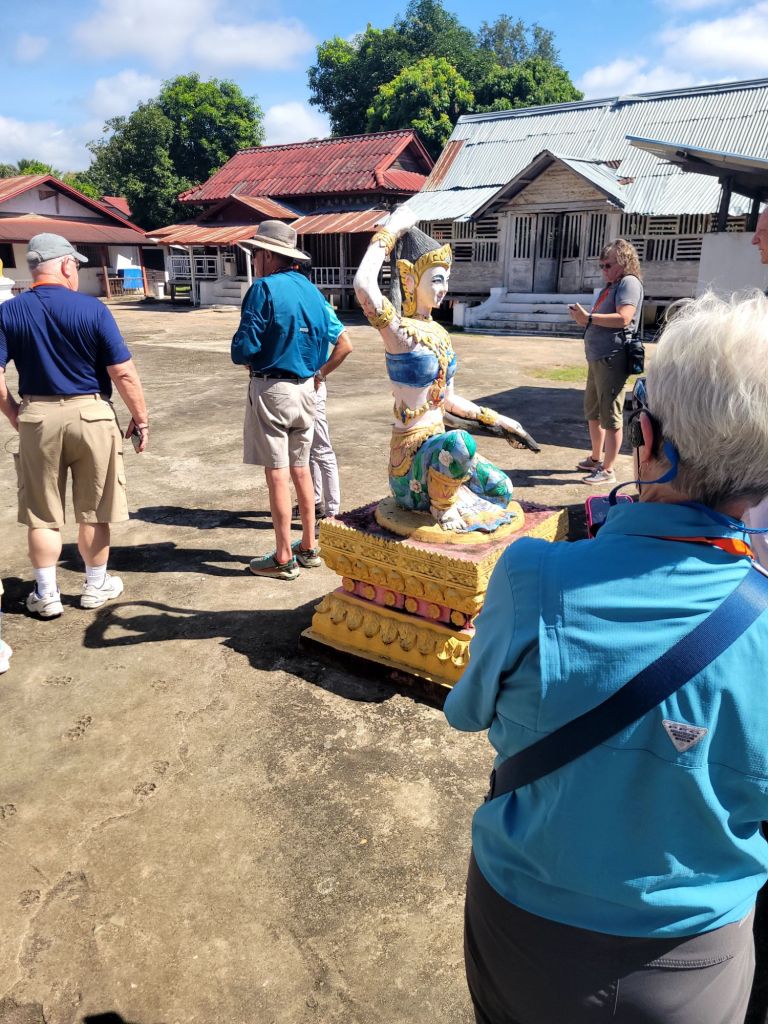
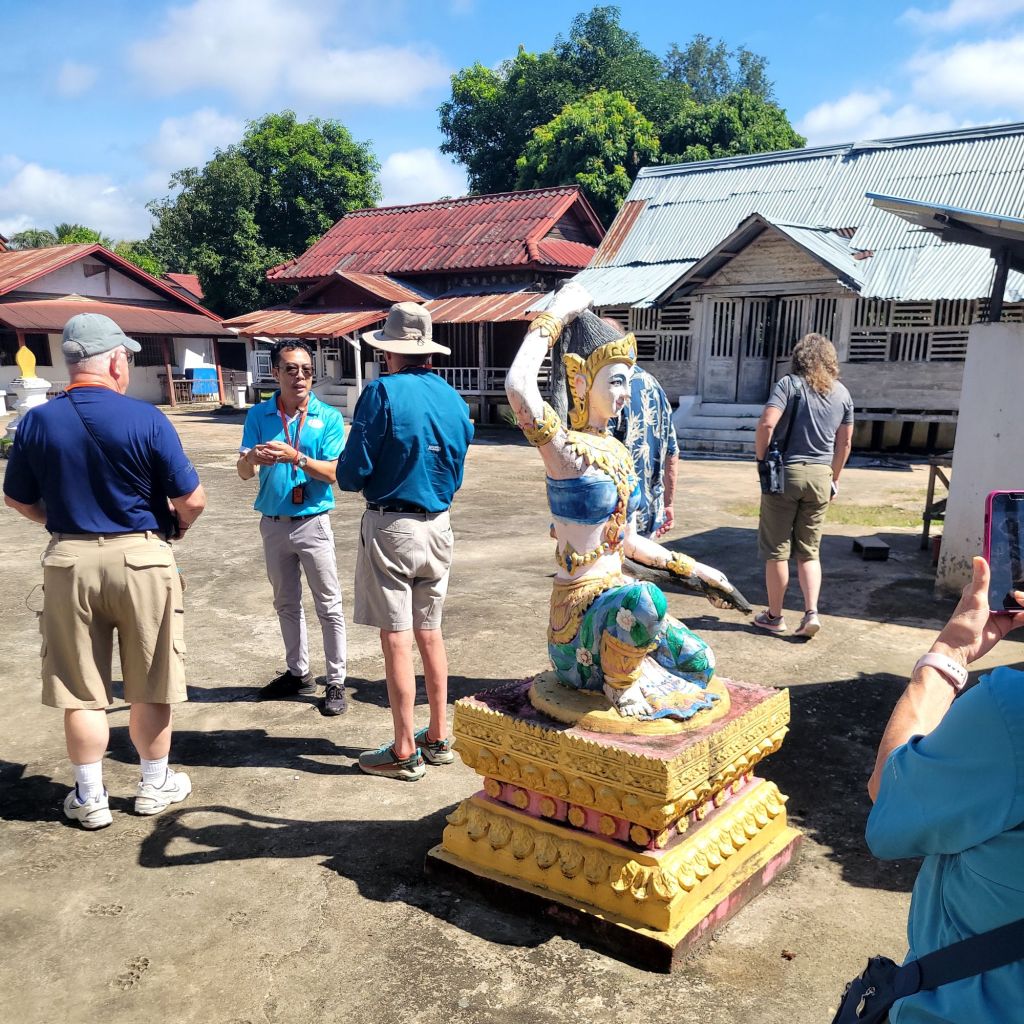


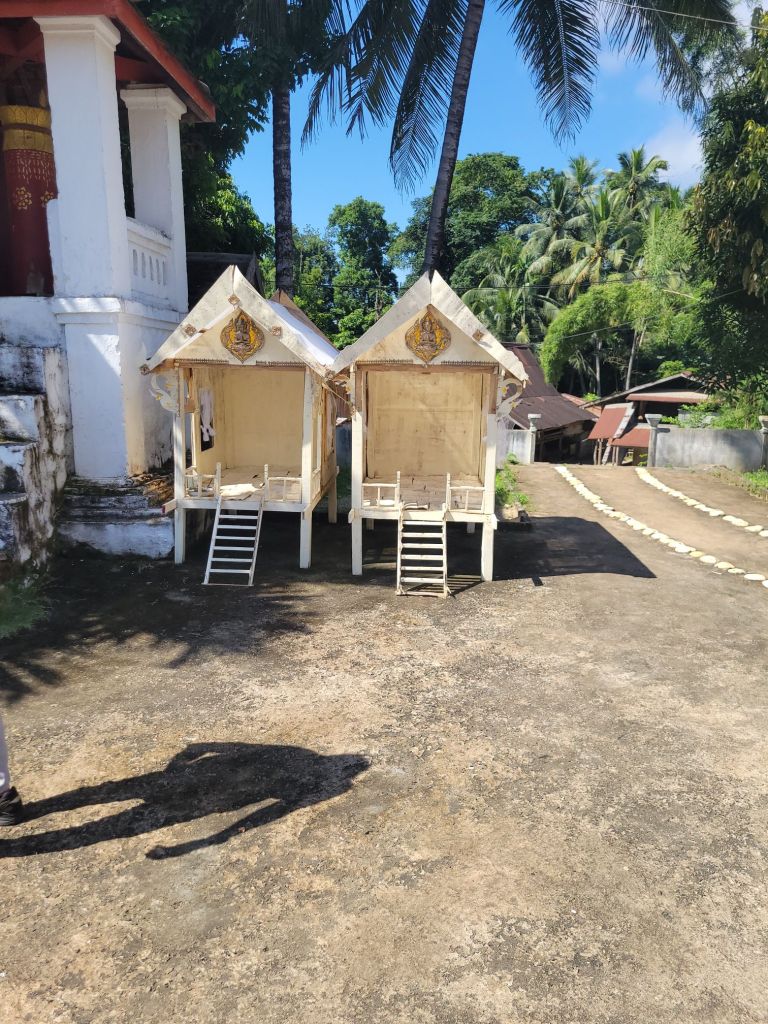


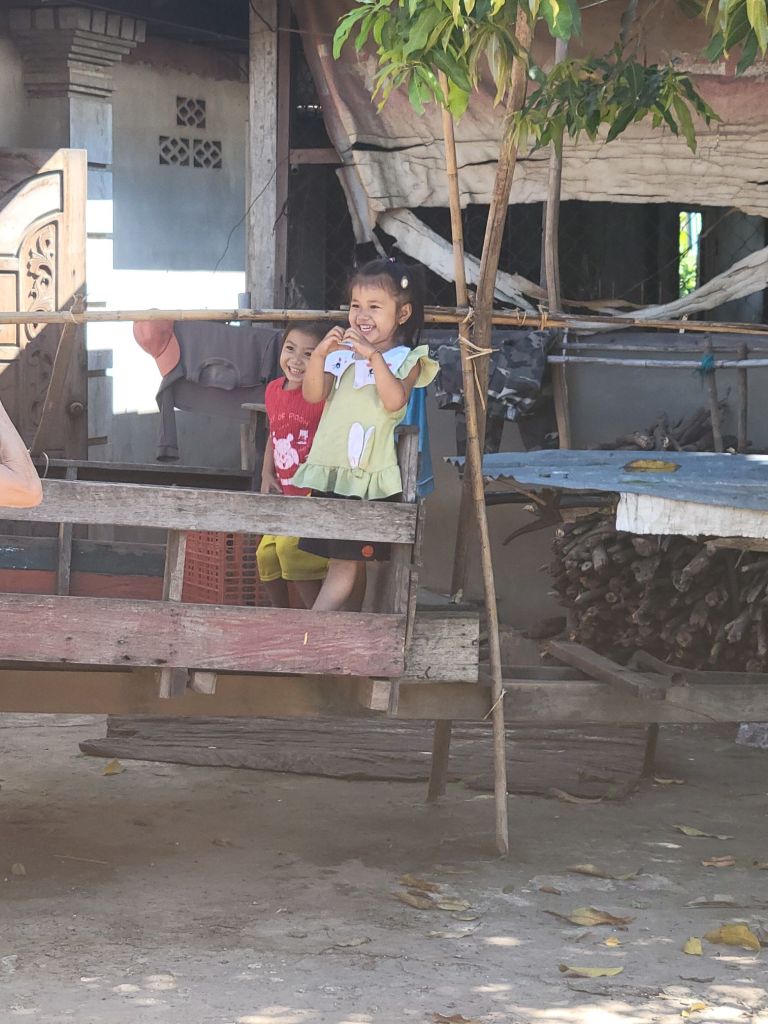


After walking through the village we got back on board and continued the cruise to the Pak Ou Cave. This cave is a religious spot known for the miniature Buddha sculptures.
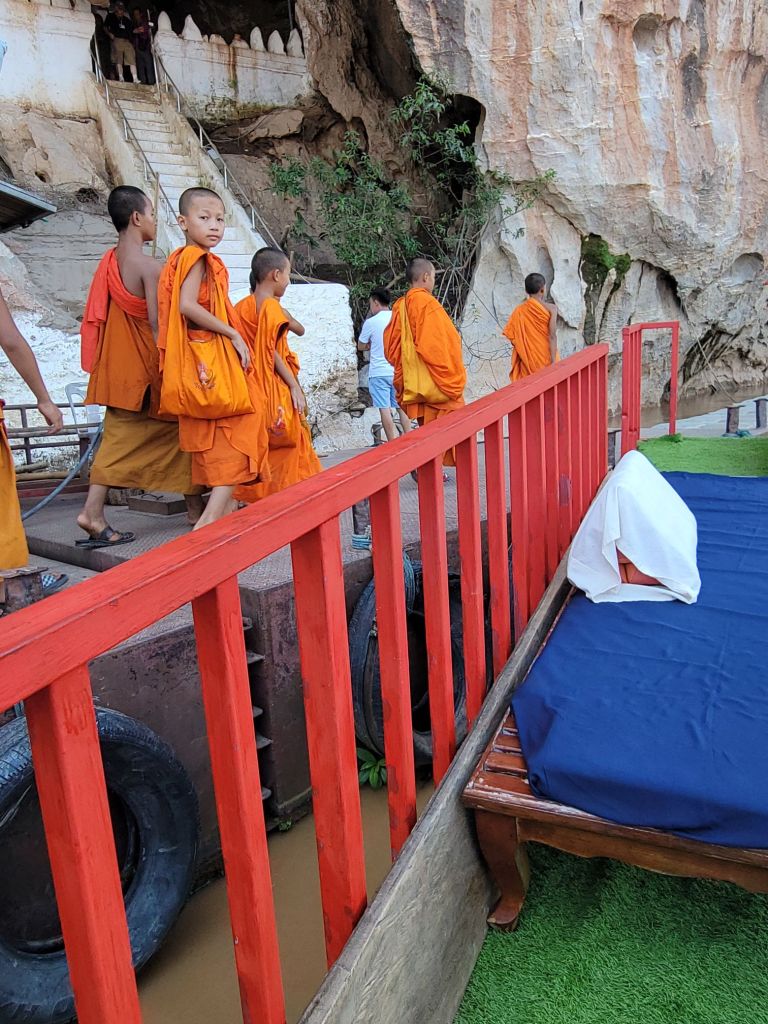


I elected not to climb up to the cave, but I could get a glimpse of Buddhas from the boat. The cave is said to hold four hundred Buddha sculptures in different positions such as kneeling, leaning, meditating etc.
We had lunch on board, and the servings were just as elaborate with a variety of dishes consisting of vegetables, pork, chicken, and rice.
After our boat ride, a few of us decided to visit some silk weavers. There is a store where the products could be bought. They accepted US dollars, credit cards, and Kip (laotian money). You will get US dollars as your change, but if it is less than a dollar, you will receive local money. The store had traditional handmade textiles for retail and wholesale.


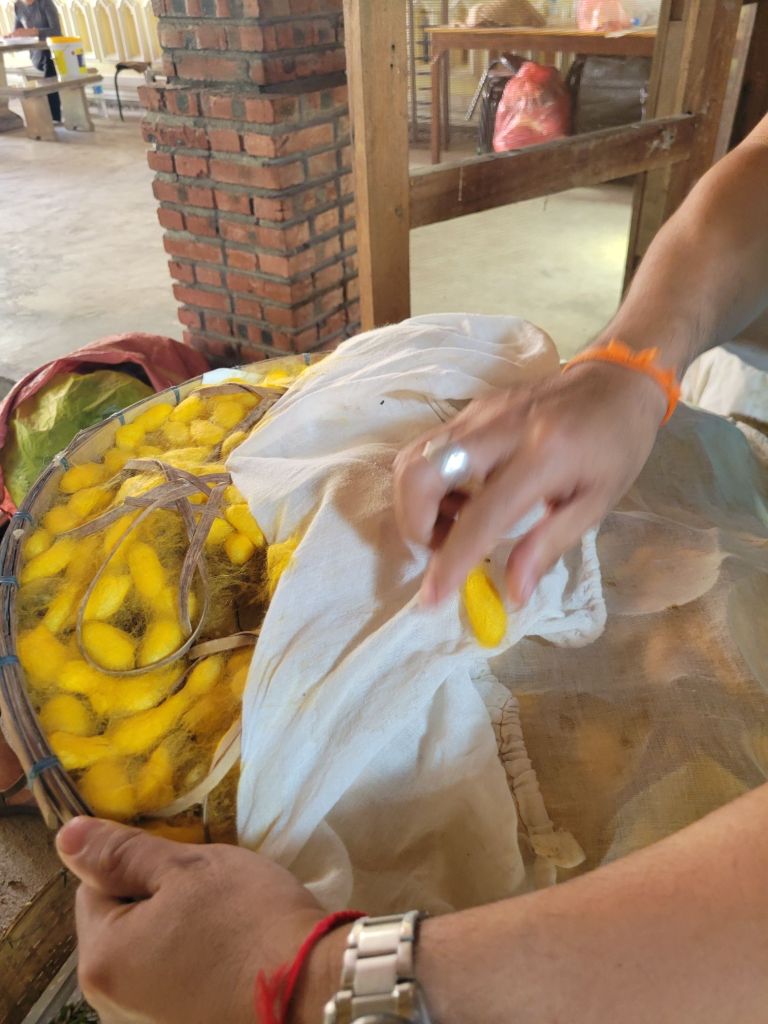

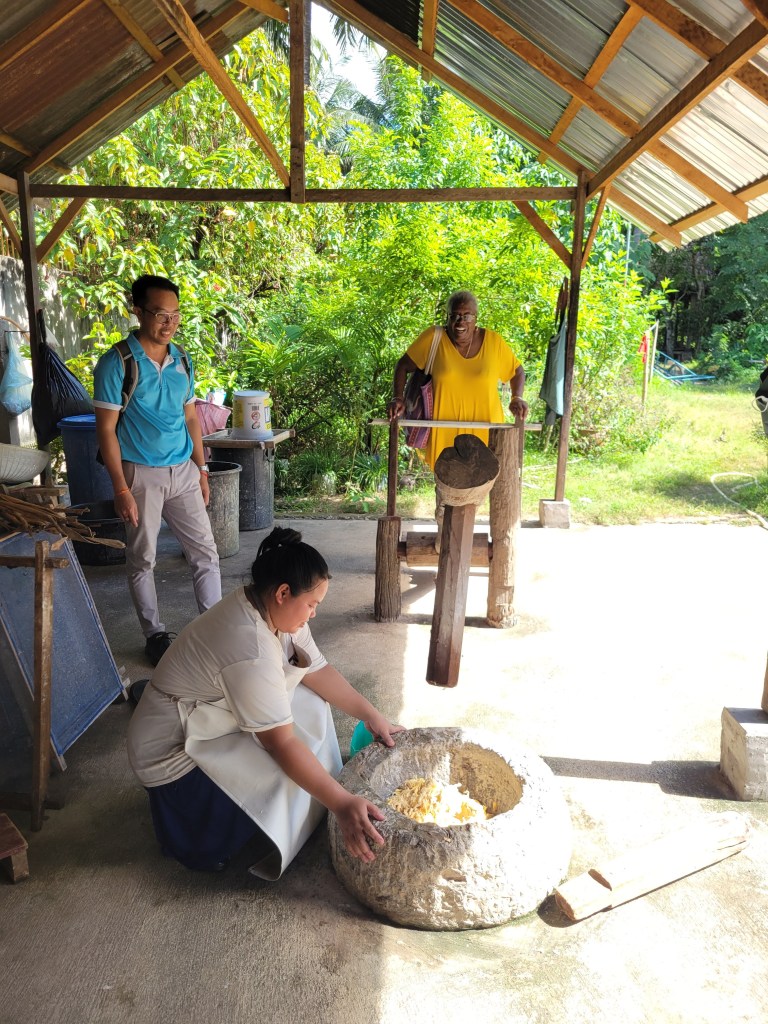

While visiting the night market and in some stores we noticed lamp shades, paper bags, different decorative articles made out of a kind of paper with various designs. While at the weavers we found workers making these designed paper. Sa paper is made from mulberry bark that is soaked, then pulverized and the pulp is placed in a sieve and decorations added then put to dry.
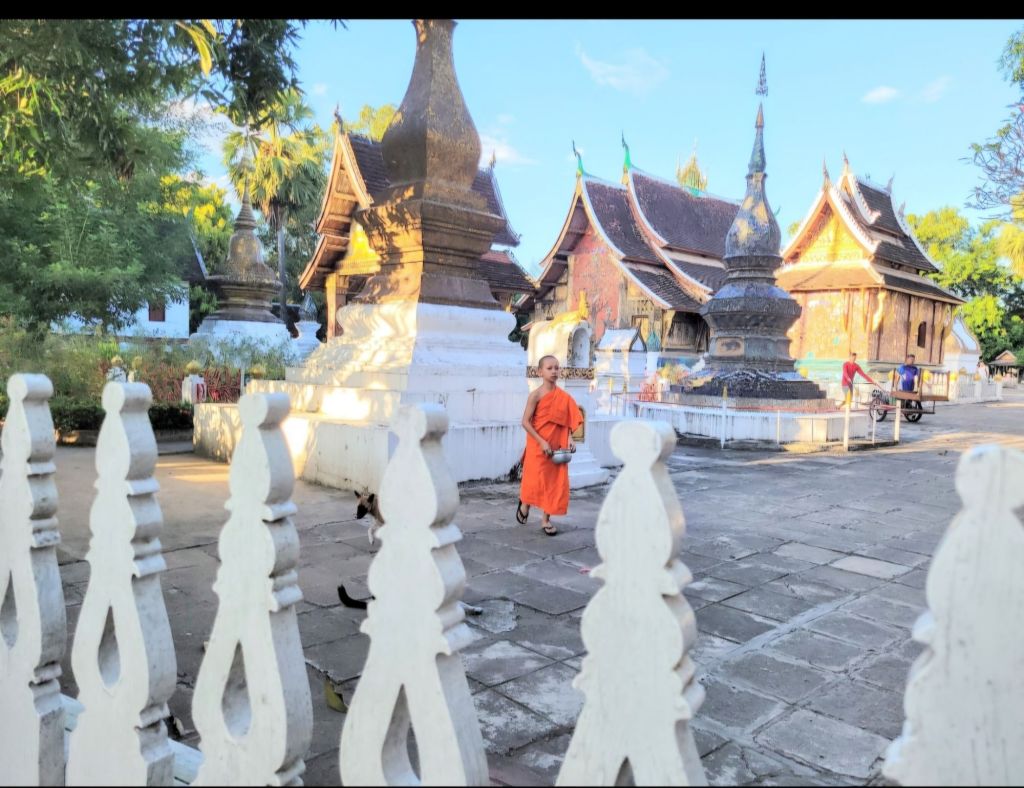
Laos adopted Buddhism in the 14th century chosen by the kings. There is a tradition that is still practiced today, alms giving where monks collect food or donations; generally in the early morning dressed in orange robes, barefooted and walking in files along the streets. We were able to observe this ritual of alms giving. We arrived at the sidewalk in front of a temple where seats were provided for our group. We then had to take off our shoes and wash our hands and each collect a container of sticky rice. As each monk passed, we dropped a handful of sticky rice in their receptacle. The monks included novice monks (younger boys).
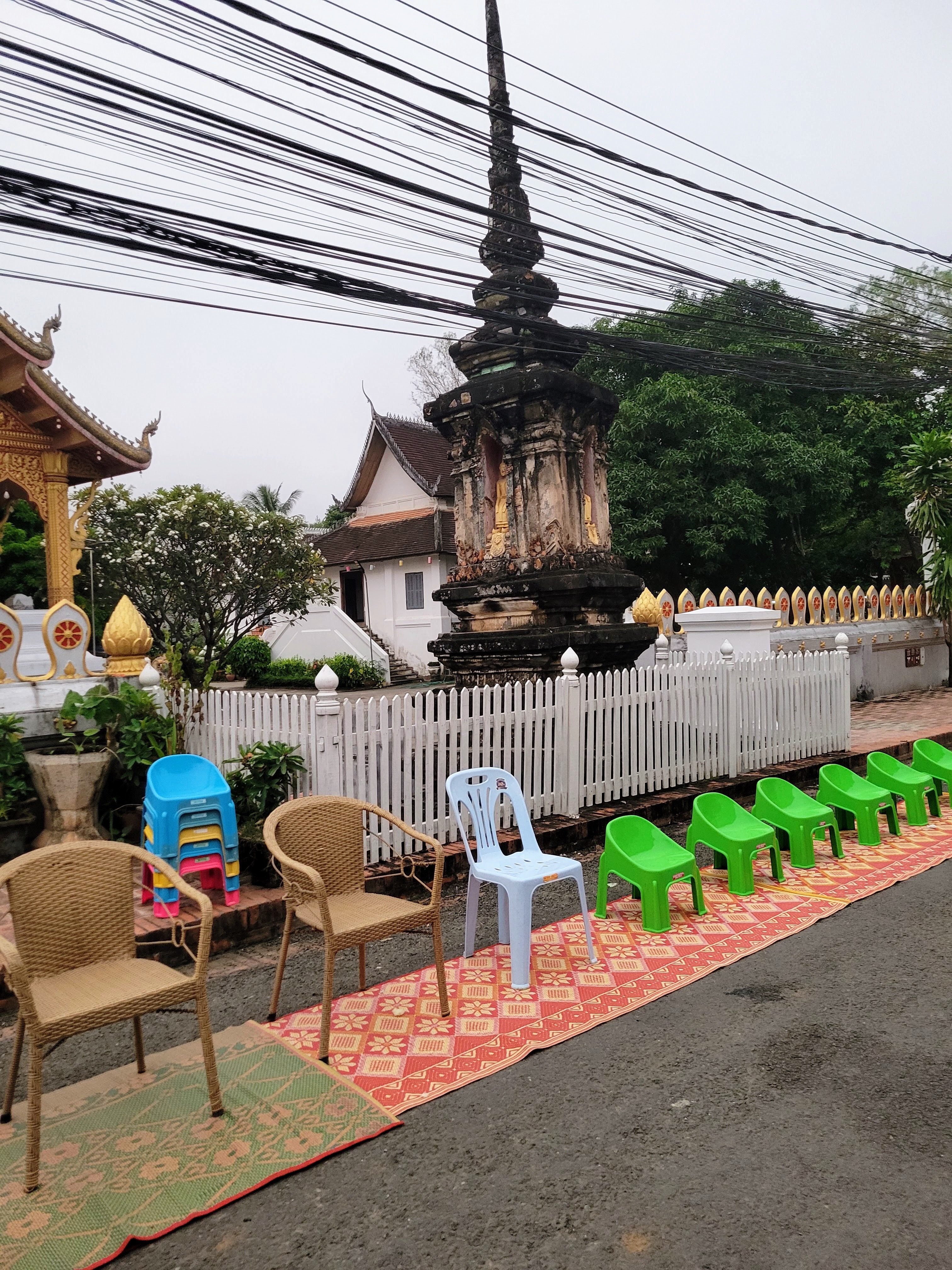


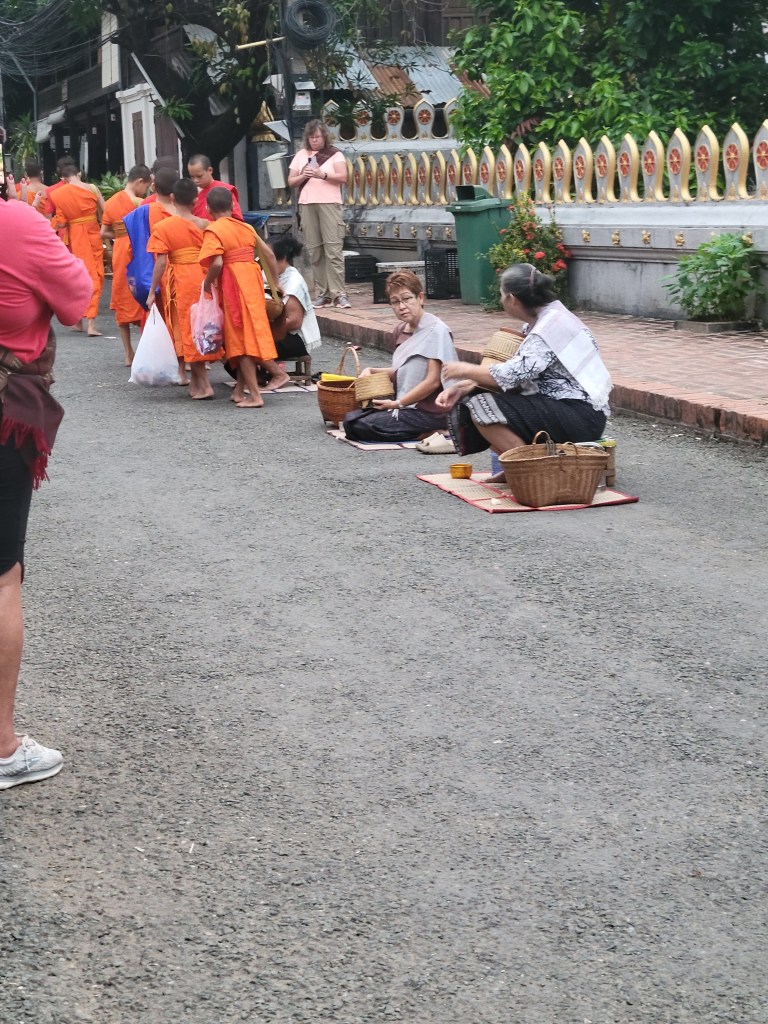
Our local guide brought prepared food to offer at the temple; he and our lead guide delivered the meal.
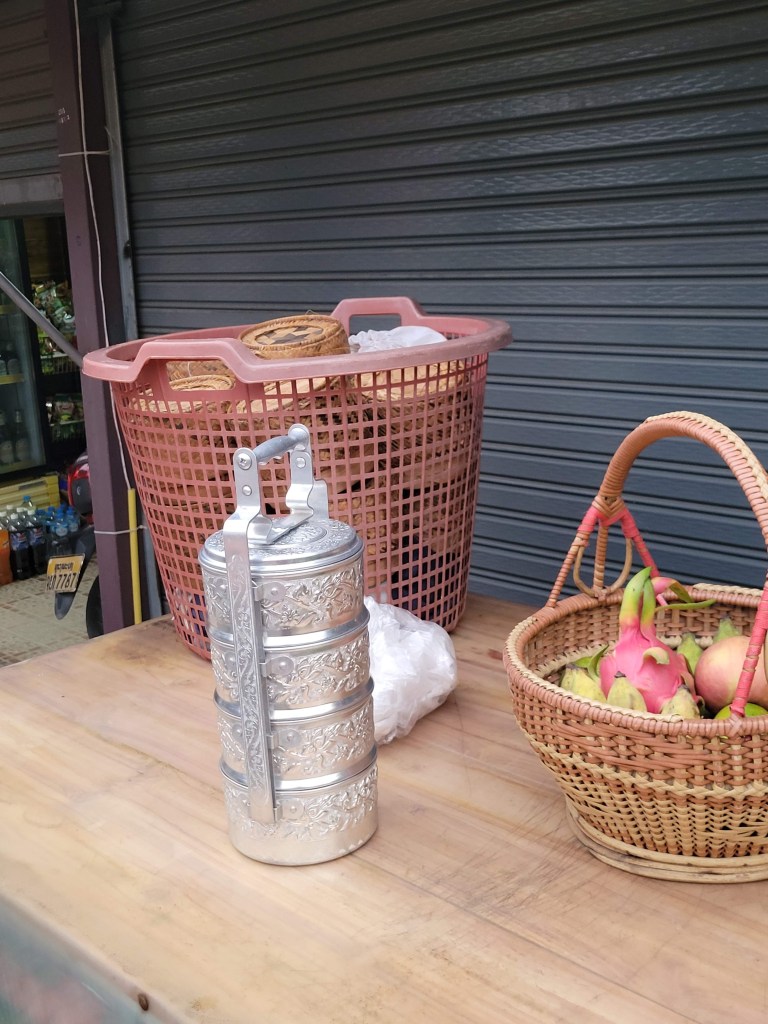

After the early alms giving experience, we headed off to enjoy coffee laotion style. This was one of the best coffees I have tasted. The coffee is brewed with a cloth filter and is very strong, then mixed with powdered milk, evaporated milk, or condensed milk I used condensed.


After our coffee break, we were each given a written item and kip with the task to go purchase the item in the market. Needless to say, it was written in the cambodian language, so we did not know what we were going to buy. It turned out that they were vegetables, seasoning food stuff to bring to our next adventure and learning. The market had everything you could think of clothing seafood, meats, vegetables, fruits, flowers, etc. My impression was that there was very little that they did not eat because I saw rats, squirrels, and birds; although I am willing to try food specific to the culture, I stuck to fish, pork and chicken. I will share my adventure later.


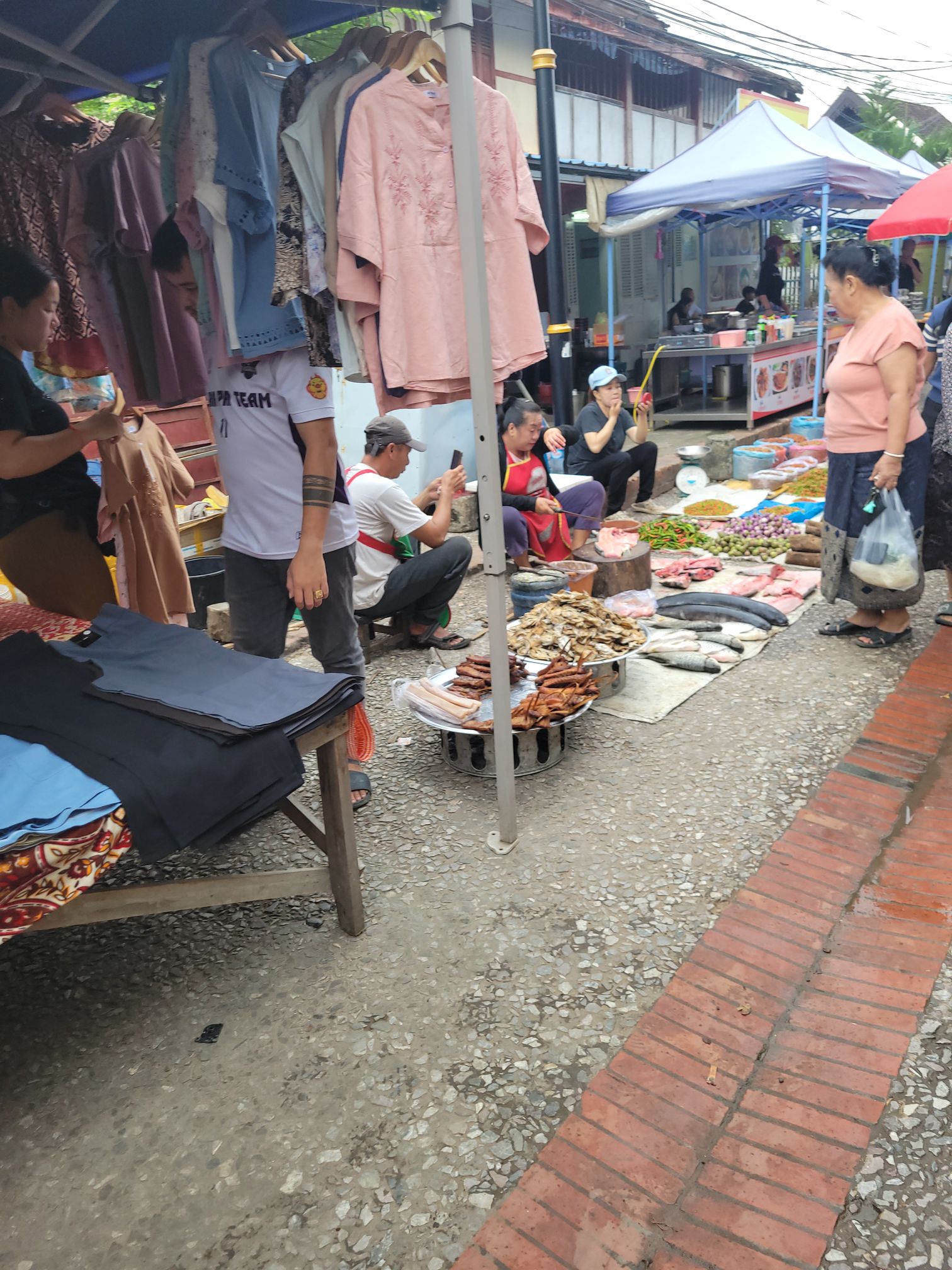
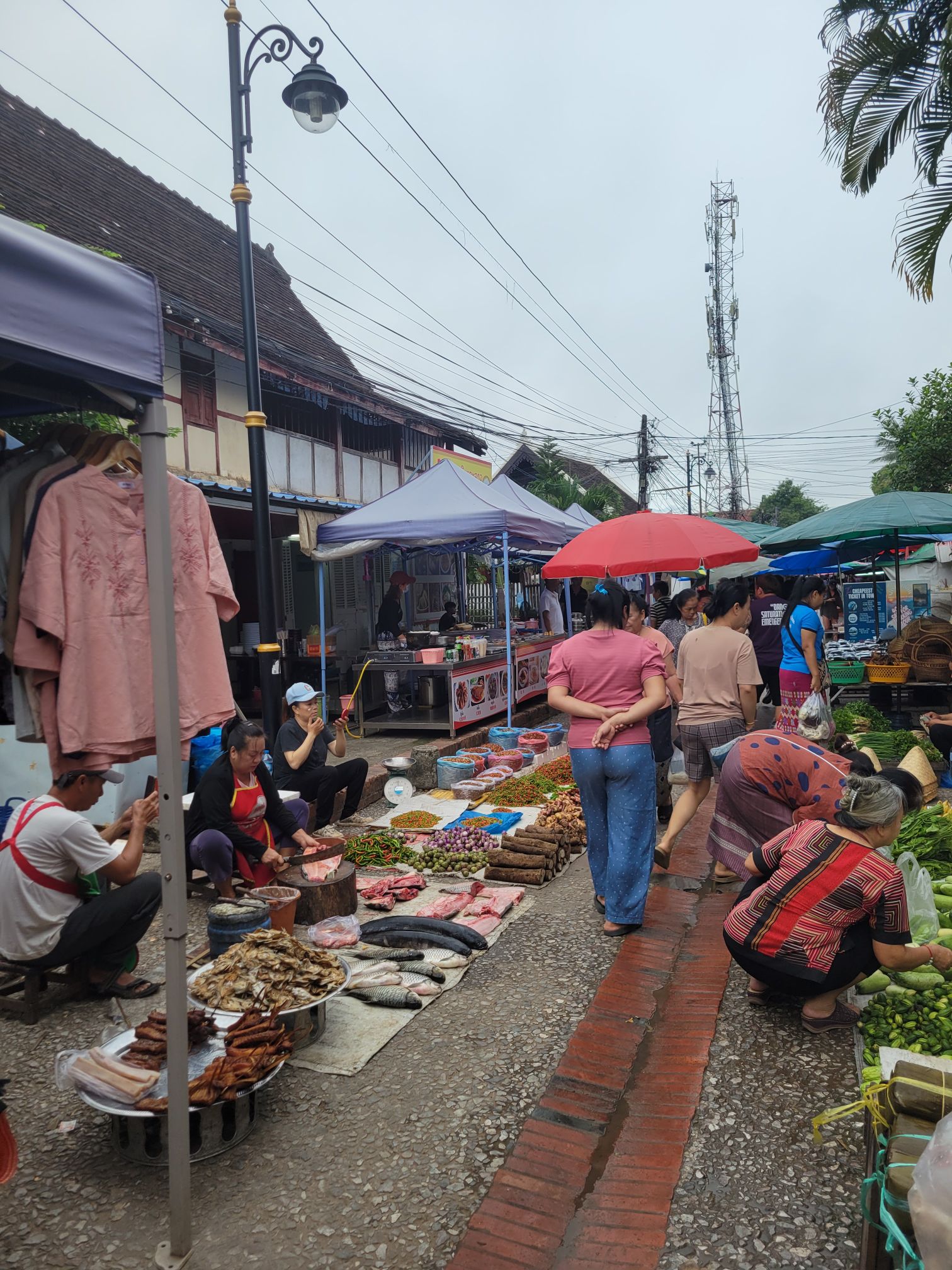

After our market expedition, we were now heading to a village to experience a day in the life of the village. On our way there we made a brief stop at a rice paddy.


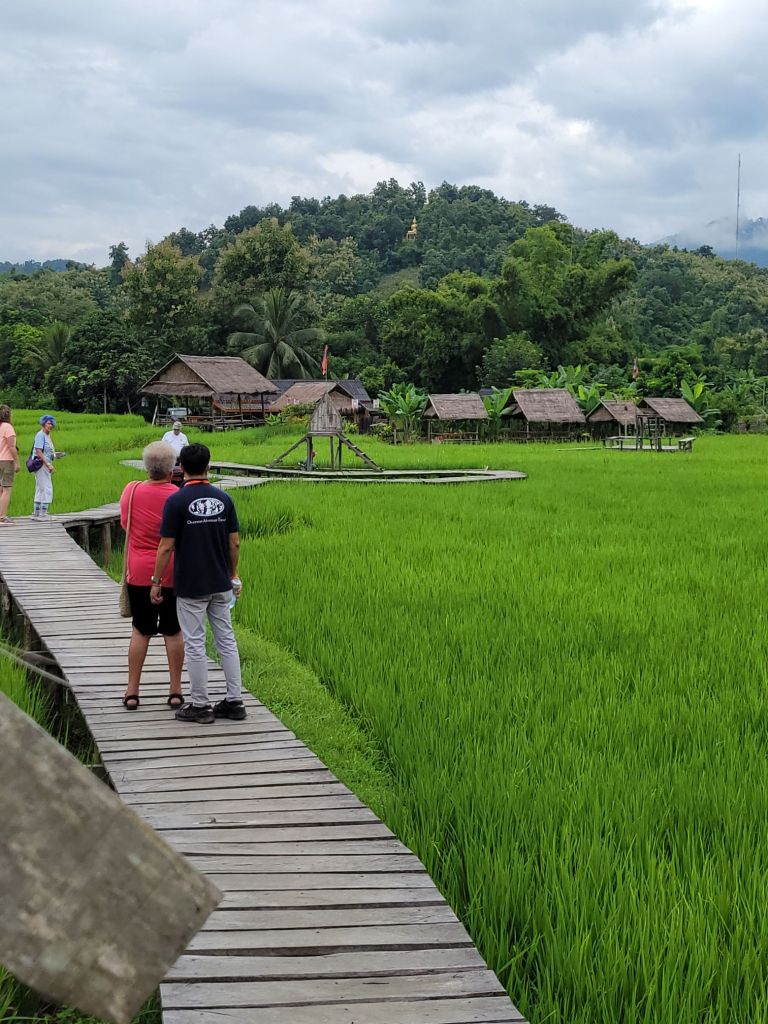
We arrived at the village where we met with the chief, second chief and the main chief’s family. The head chief is the person who is responsible for administration of the village. In addition to his administrative duties he has other jobs such as farming. We took a walk around the village during which we visited a school.


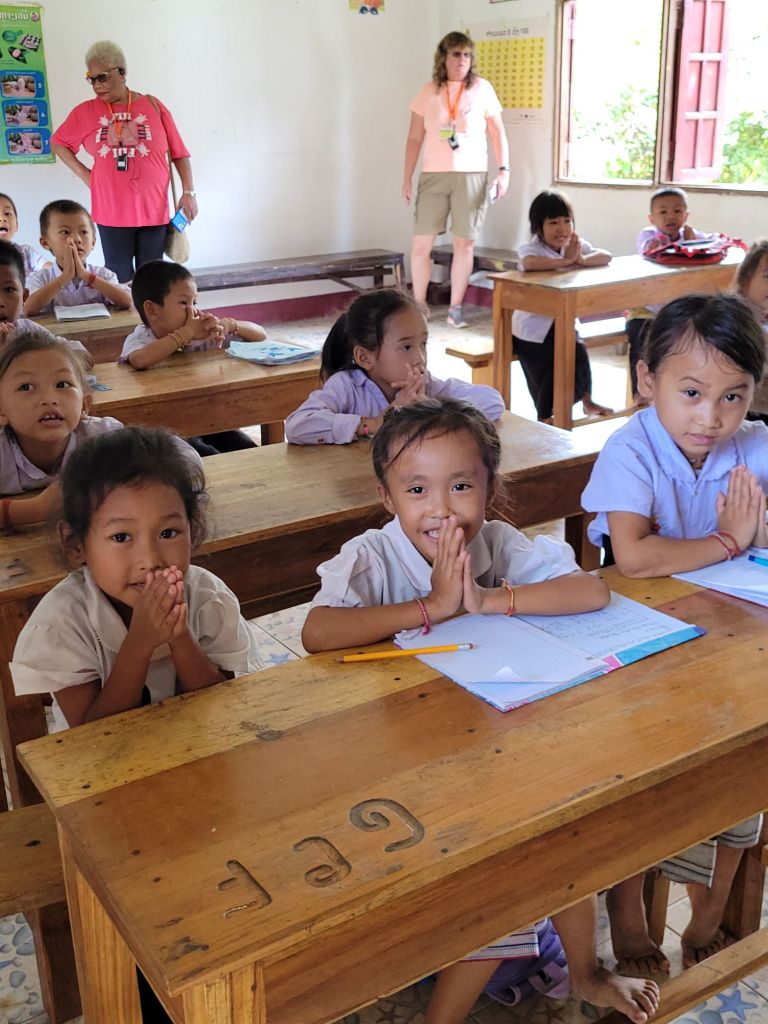
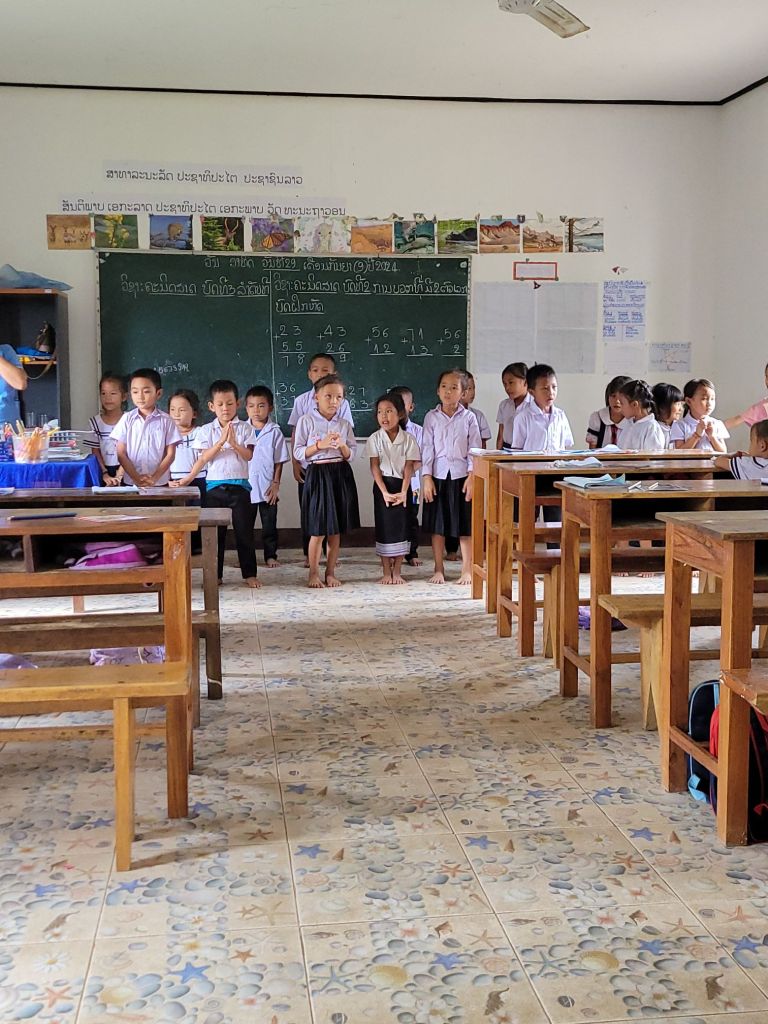
This was a special class with two age groups. We observed the interchange between teacher and students. The two age groups were combined to sing for us. For those who have traveled with this tour organizer before we’re prepared for the visit and brought books, pencils, crayons to be shared at the school. This experience is generally done at schools that are supported by GCT/OAT. The children in the village were friendly, were not begging appeared grateful for books or pencil we gave them and enjoyed being photographed.

Another experience in the village was making rice wine. After the lady made the wine everyone was able to taste a sample. The wine was poured in individual glasses but some of us tasted the way they drank wine. Take a look.


We also visited the second Chief’s house, which reminded me of one I saw in Peru, where everything is in one large space. The second Chief serves as the medicine man also. He later joined us for lunch at the main Chief’s house.
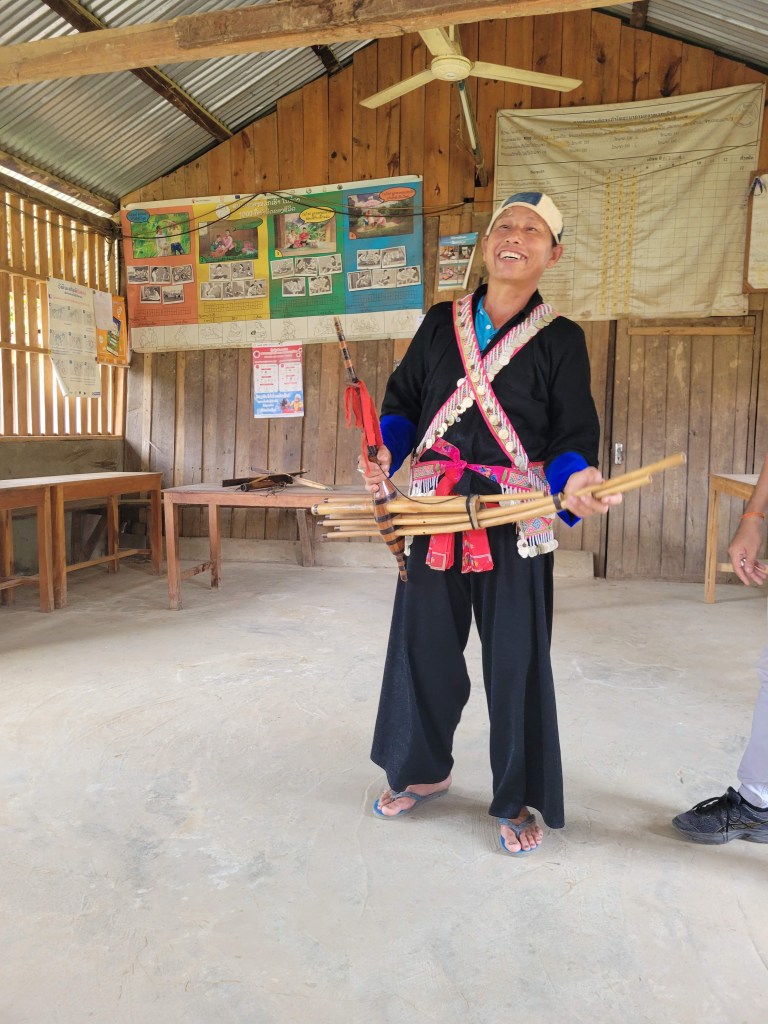
We enjoyed lunch using some of the products we bought at the market prepared by the Chief’s wife. We also were introduced to some of their delicacies, bamboo worm and cricket. Despite me being skeptical, I believe in having an experience at least once. I tried both that were fried so they had no taste but was crispy and crunchy.

When the guides asked me if I would try these delicacies, my response was, “What the hell? Why not?” Notice the group gathered around with cameras in hand. That comment gained me the title of What the hell.


We were now ready to say goodbye to laung Praban heading to the capital Vientiane. We boarded a high speed train for a two hour ride. Noted that you had to show your ticket to enter the train, maybe required to show it gain during the ride and needed to show it again on exiting the train, if not you would be required to purchase another ticket.


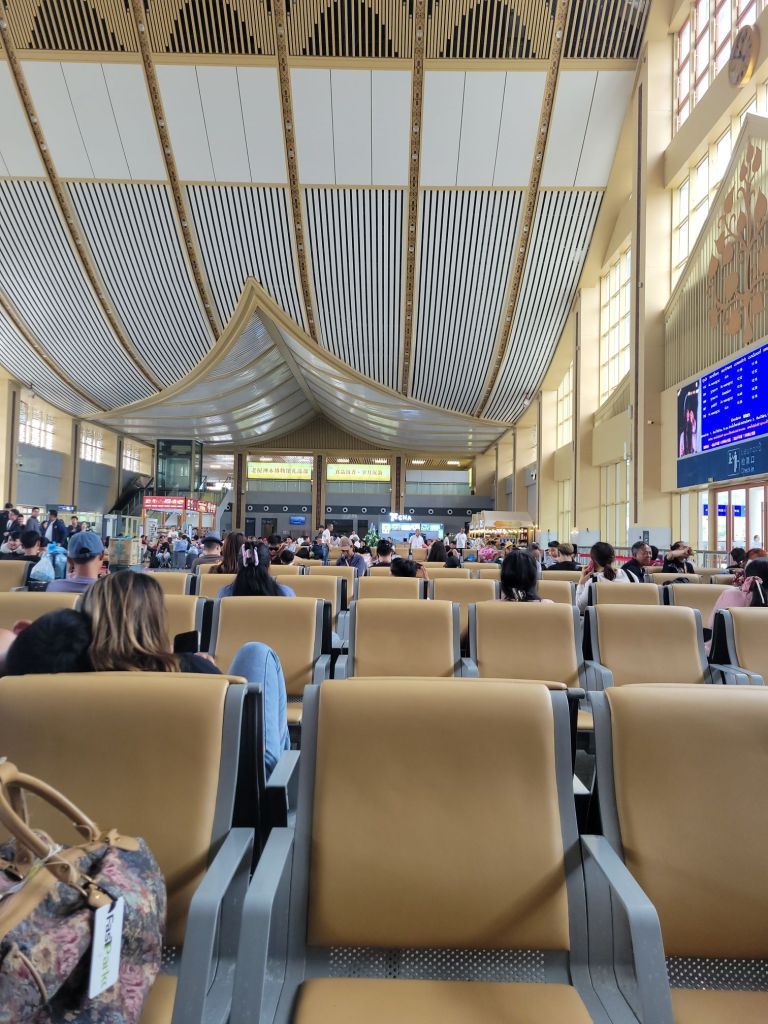
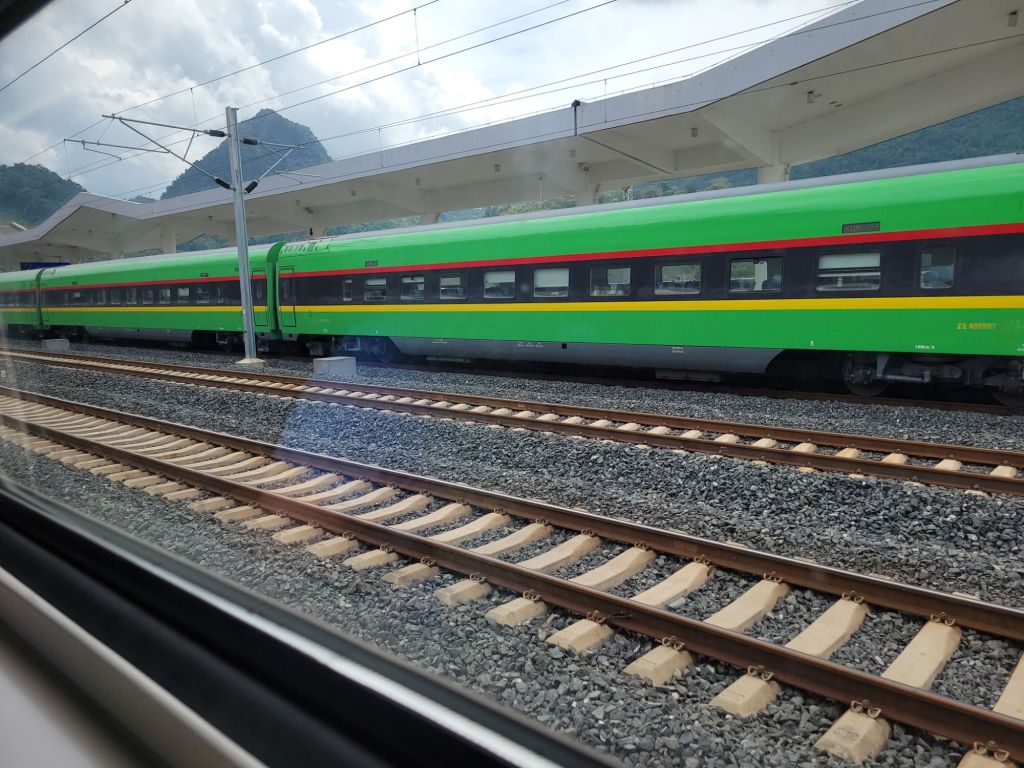
The train passed by some beautiful landscapes of farmlands and rice paddy.
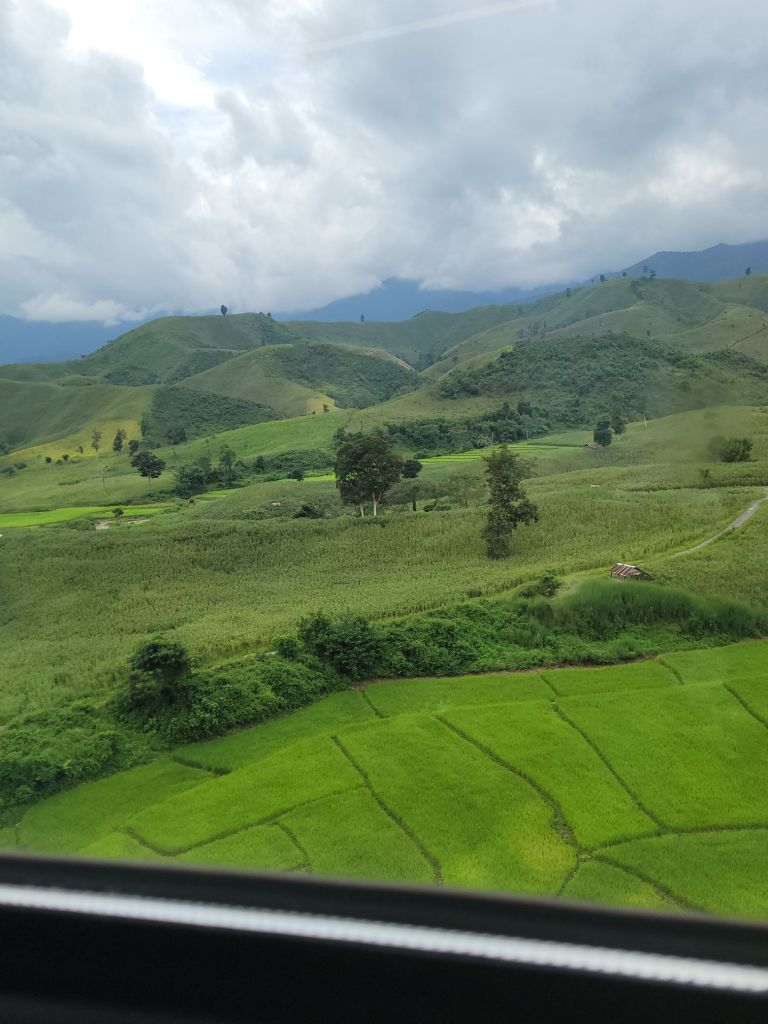


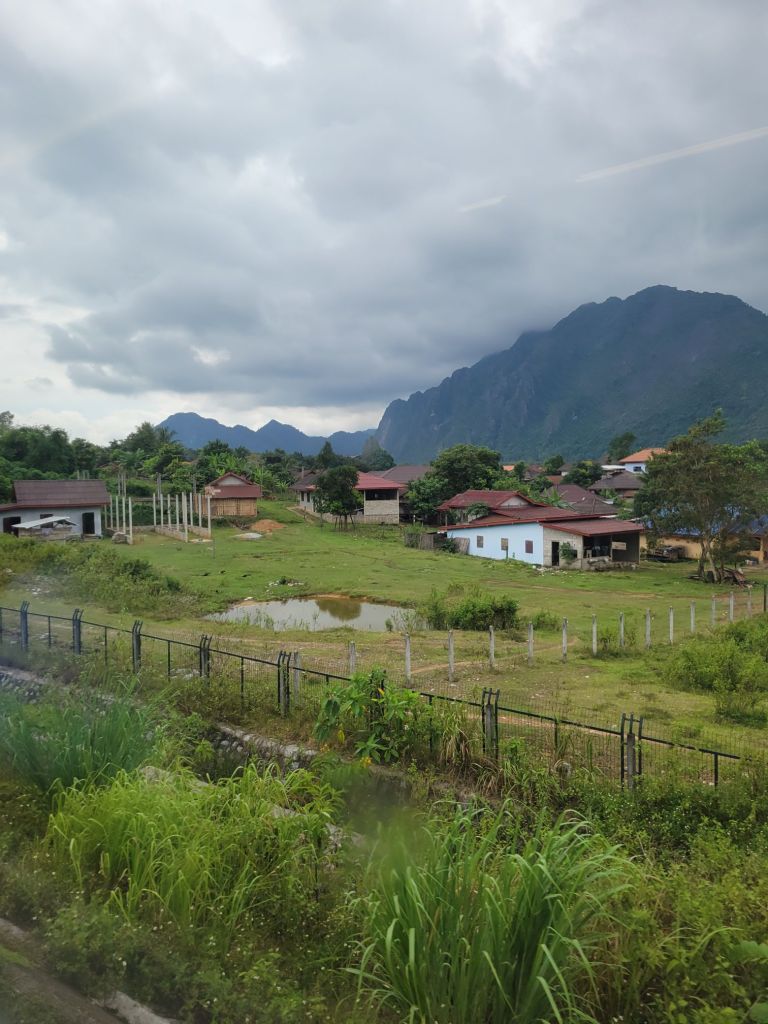
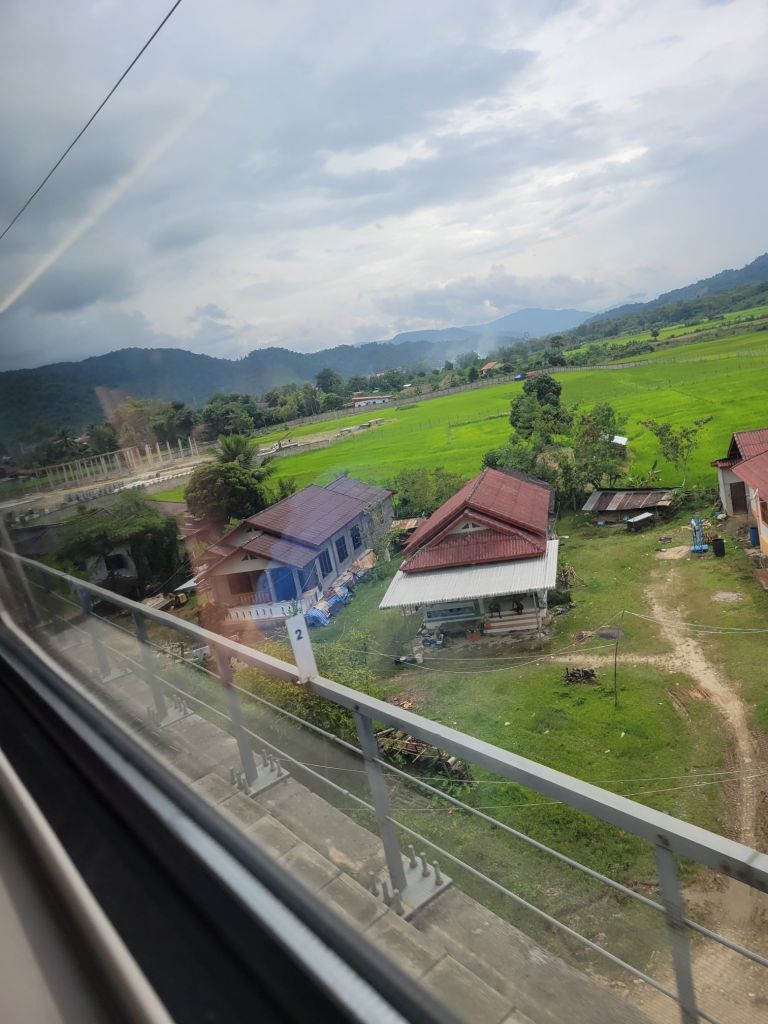
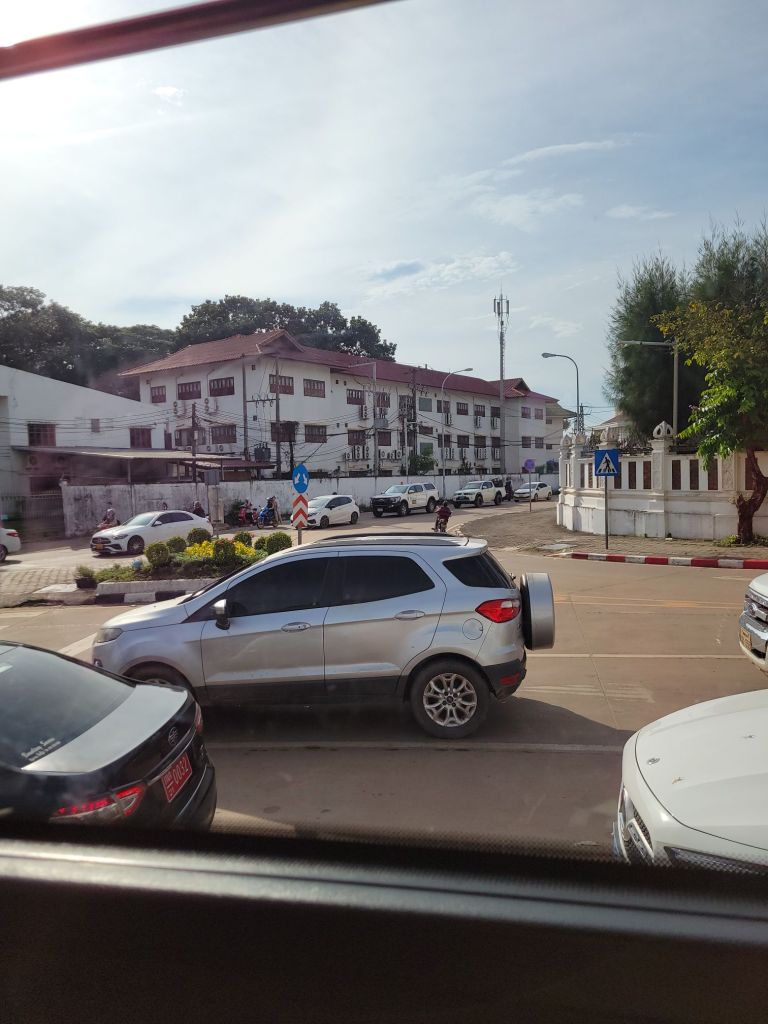
Our first glimpse of Vientiane was a very busy city with historical buildings.and quite clean.
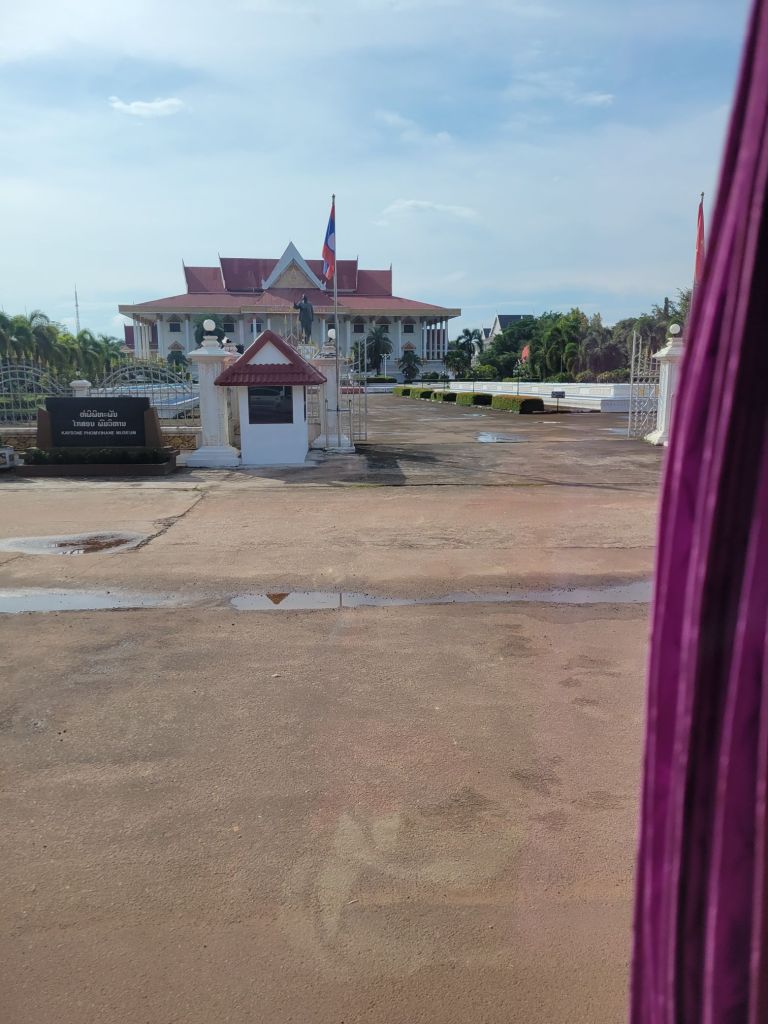


Our first evening for a home visit. When traveling with OATS, a home visit is always included. This gives the opportunity for exchange in cultural practices and for experiencing the real life of the natives. We were divided into two groups and a member from the host picked us up. Before entering the house we had to take off our shoes.
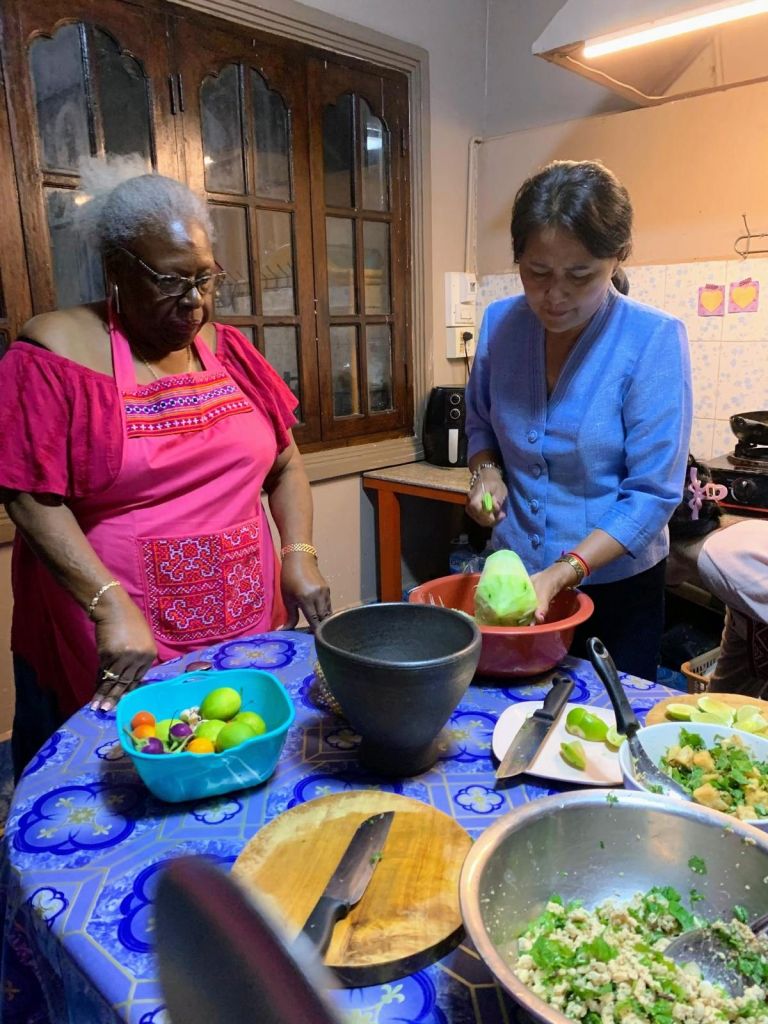

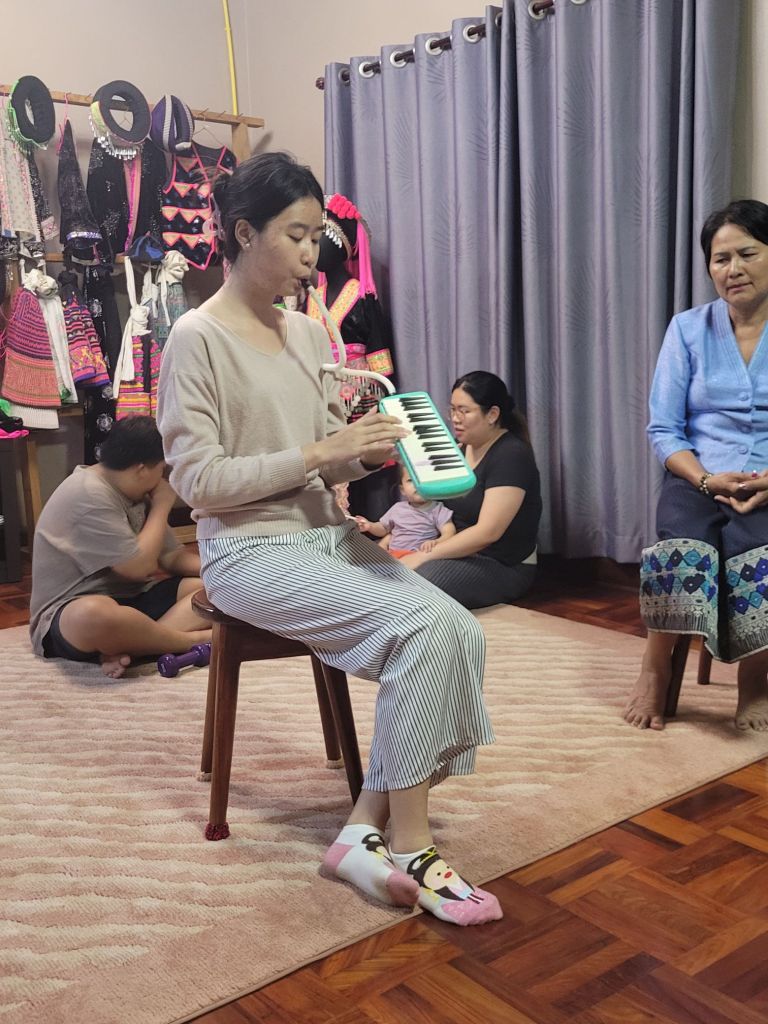
The discussion included hobbies, education, religious practices and languages. There was a cousin who was fluent in English and did most of the translation for mom who seem to speak or understand very little English. They shared with us that they enjoy hosting foreign guest as it helps them with the language.
The next day proved to be a more somber day. First we visited the Wat Sisaket museum where we had a chance to interact with a monk.


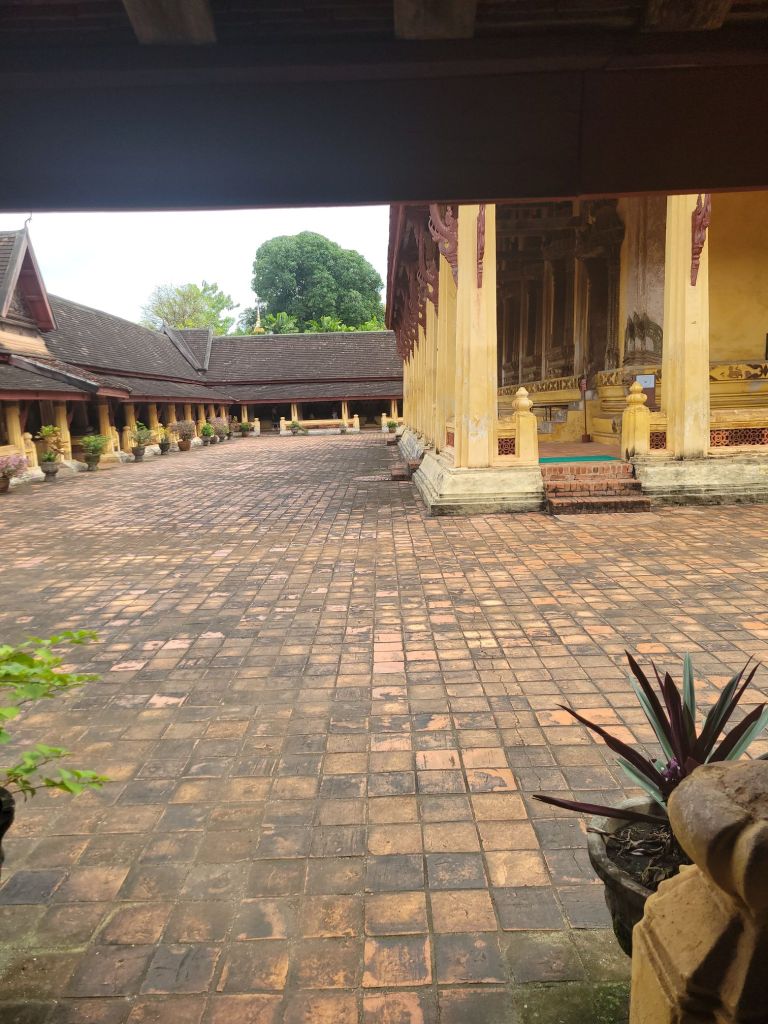

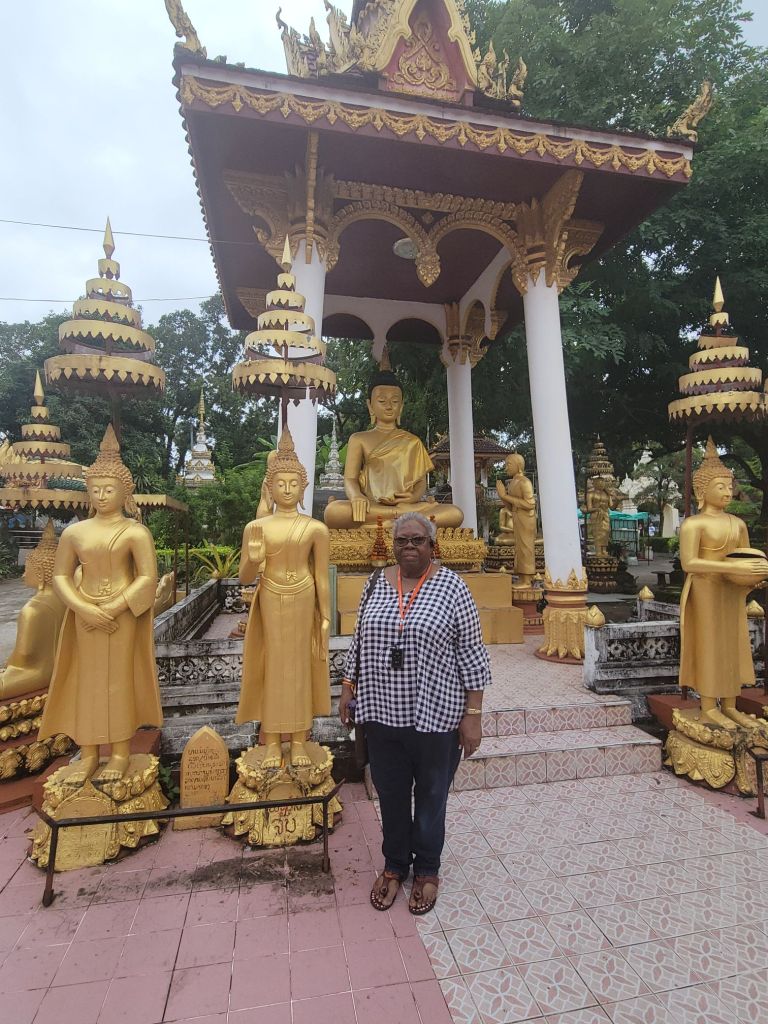


To enter the temple, you must take off your shoes. Entering the temple, you get a sense of calm and peace. When monks enter the temple, it might be a personal choice or family recommended. This monk has been in for seven years
A younger brother is also at this temple but not necessarily taught by him but still serves as a support if needed. After a period of questions and discussion, we were led in a period of meditation.
There are non-profit organizations assisting people maimed during the war. After leaving the museum, we visited one of the places supported by MAG US (mines advisory group). This organization supports countries by helping to remove and destroy landmines. We viewed a film showing some families that were impacted by explosives not detected before cultivating farms. During our visited we heard from a man who was active in the war and lost his legs. Fourteen soldiers jumped to retrieve food that was dropped but fell below the target spot, and he lost thirteen of his fellow soldiers and lost both legs. He now wears two prosthetic legs. He has participated in the special Olympics and proudly shows his medal. His story revealed one of courage and resilience.

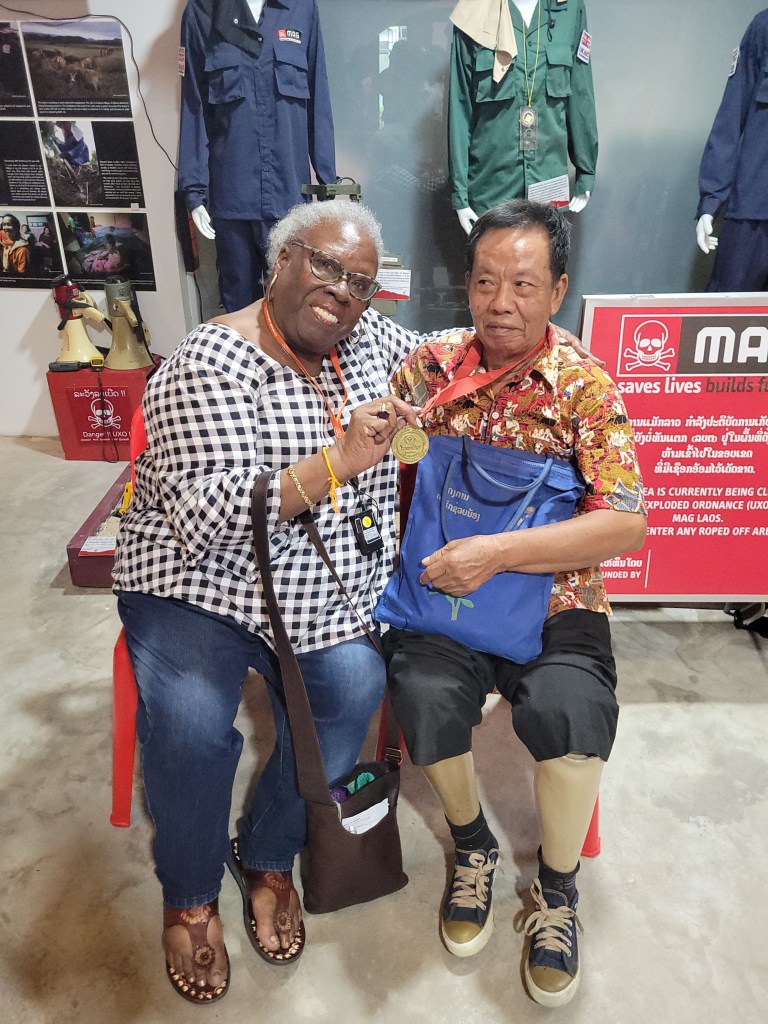


Well, it was off to lunch next.


After a partially heavy day, we needed something that was fun so we went to a puppet show. We were the only attendees as the show was specially arranged for our group.

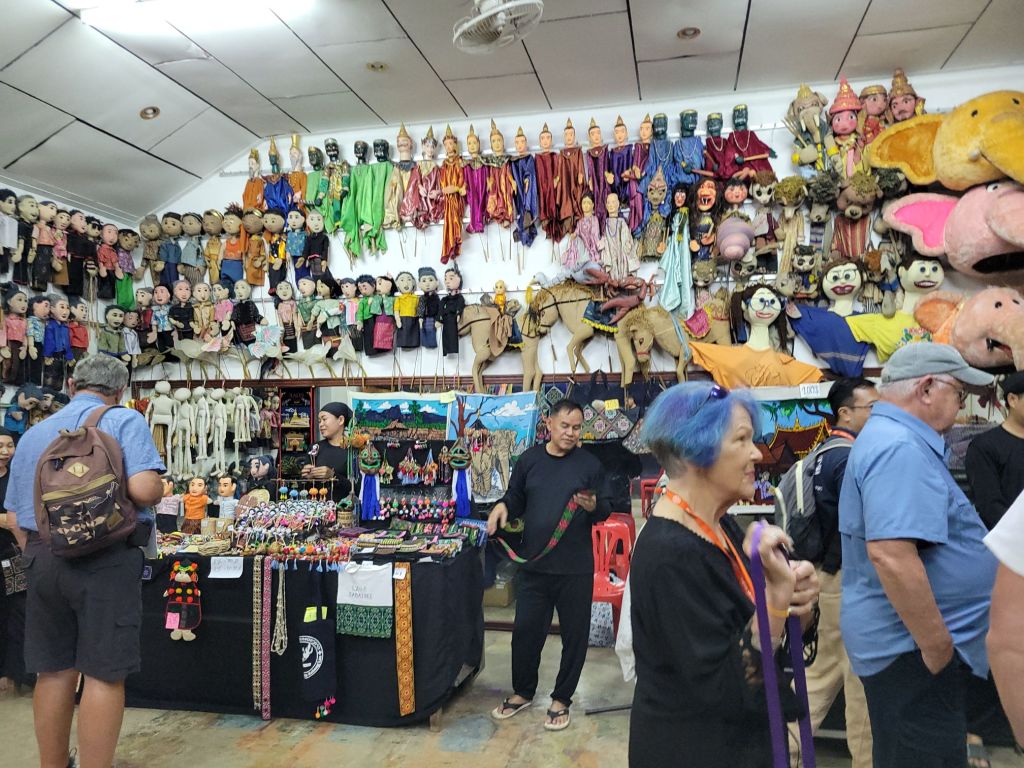
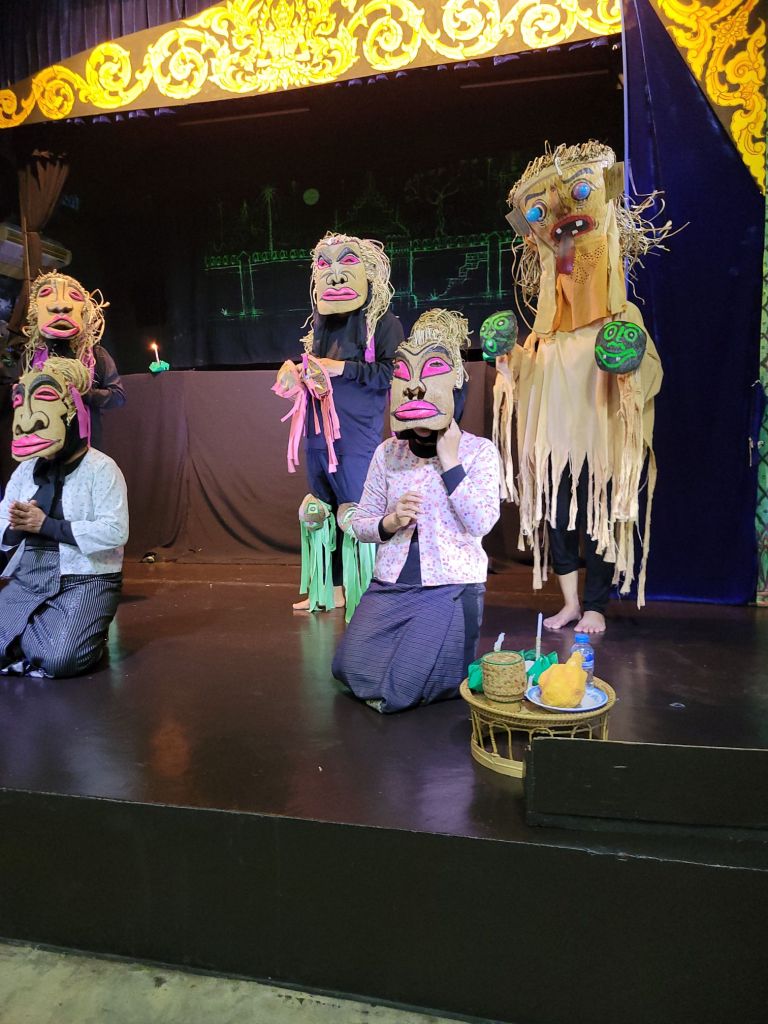
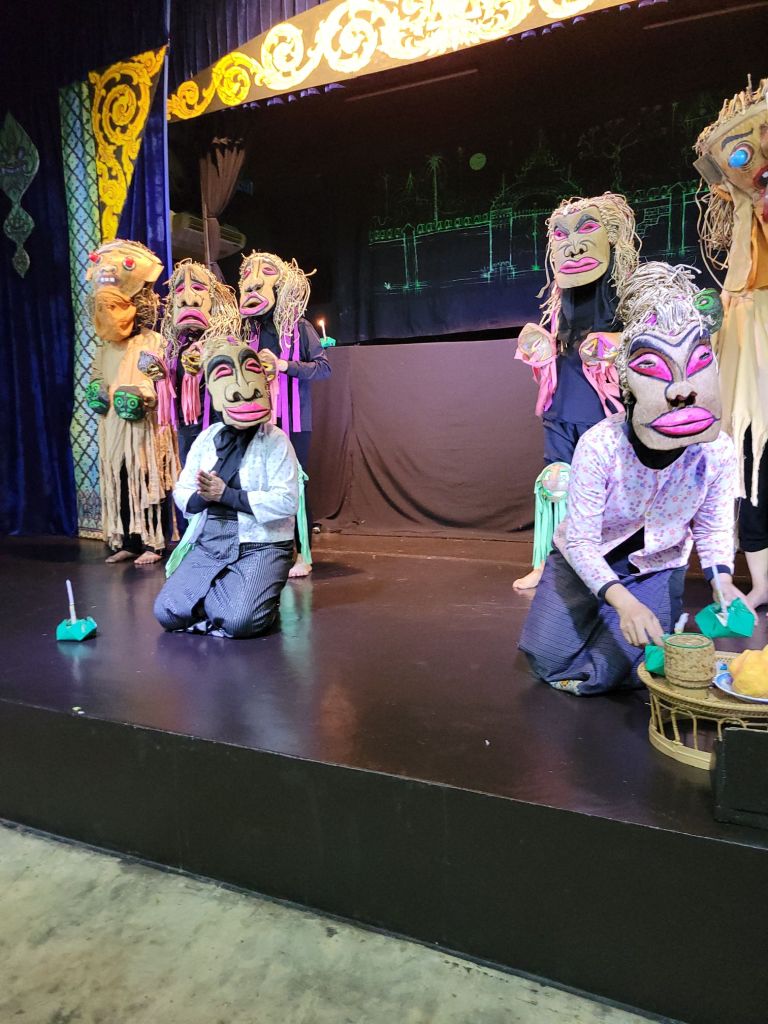
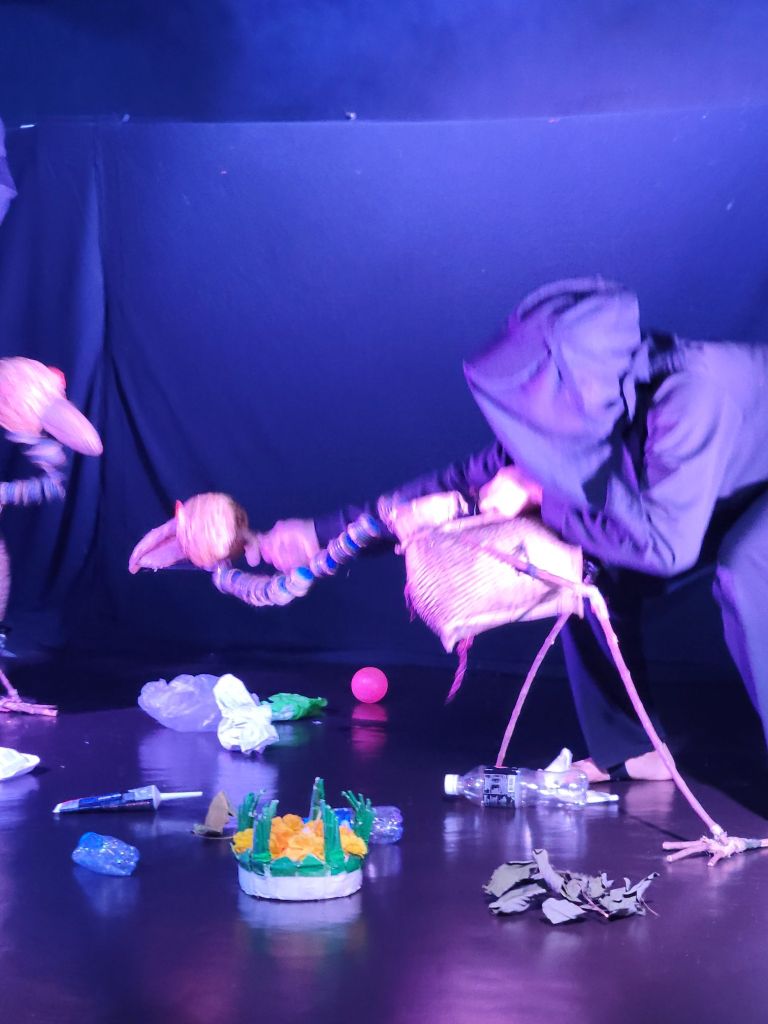
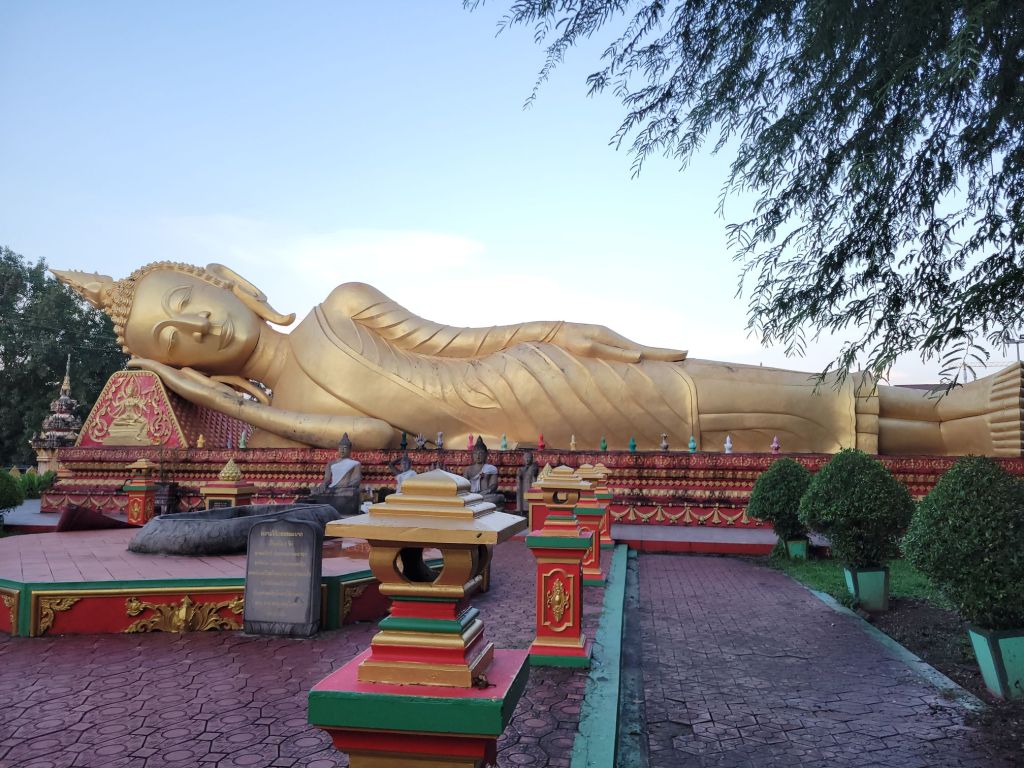
After some interaction with the performers, we headed to the center of town. This central area was like a park. We first saw young boys playing a handball game. As we strolled along, we came up to a sleeping Buddha and then to a huge temple.


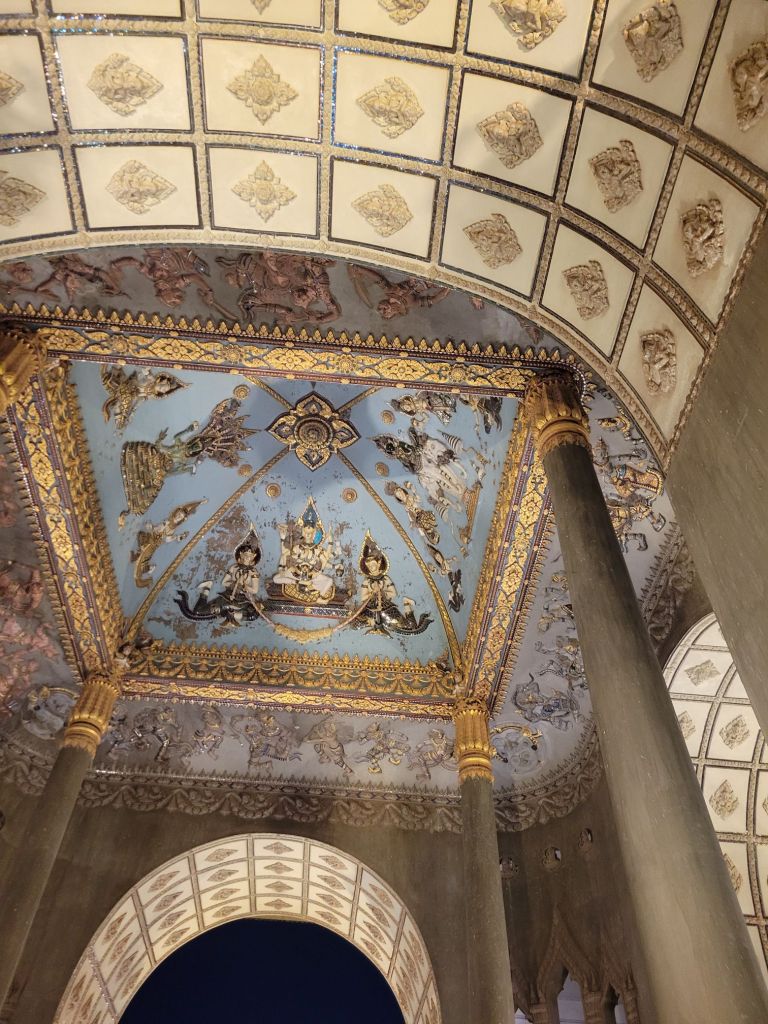
As the sun was setting, we approached the Victory monument in time to see the fountain illuminated. The monument reminded me of the Arc du Triumph


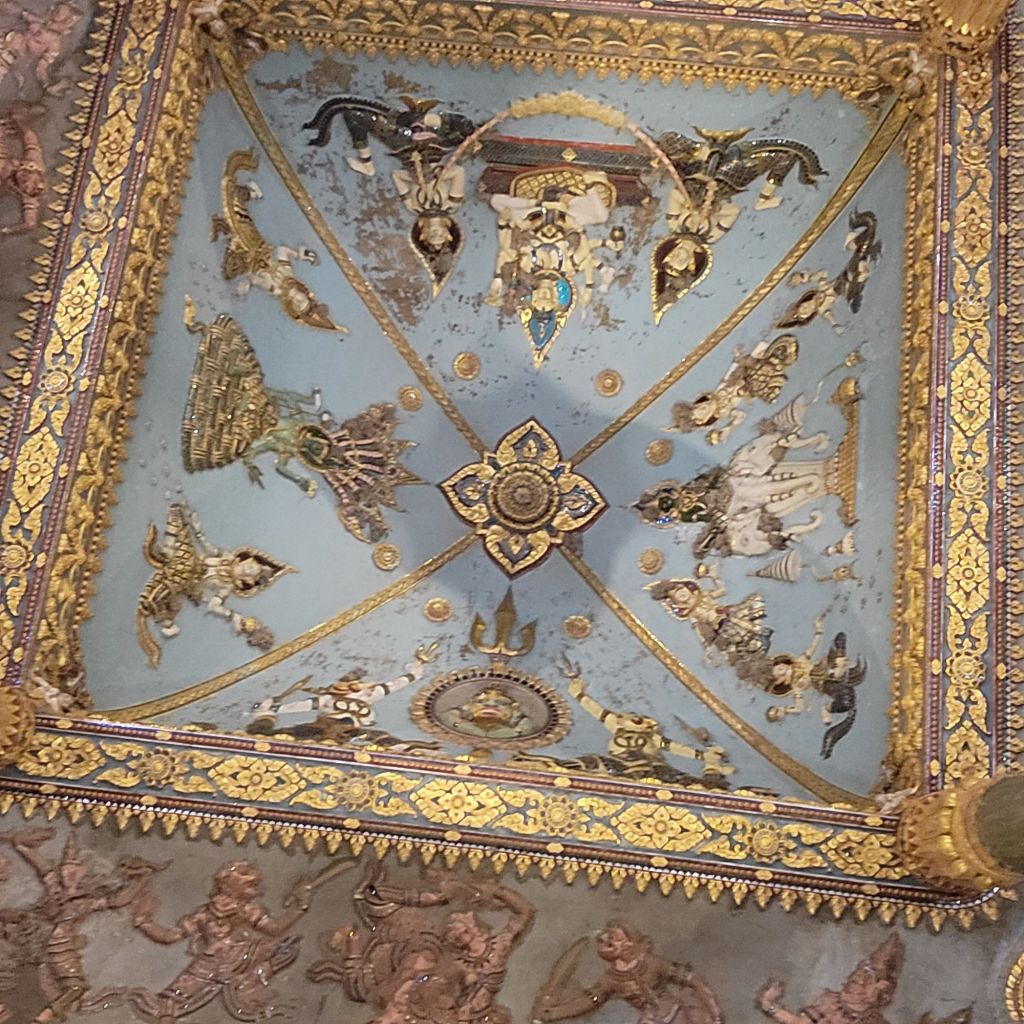

As you arrive in the park or city center we could hear loud music. As we turned back from the monument, we realized there was a group doing exercises to the music. Some of us joined in some of the dance steps.

We ended our day going to a lovely restaurant with live entertainment.


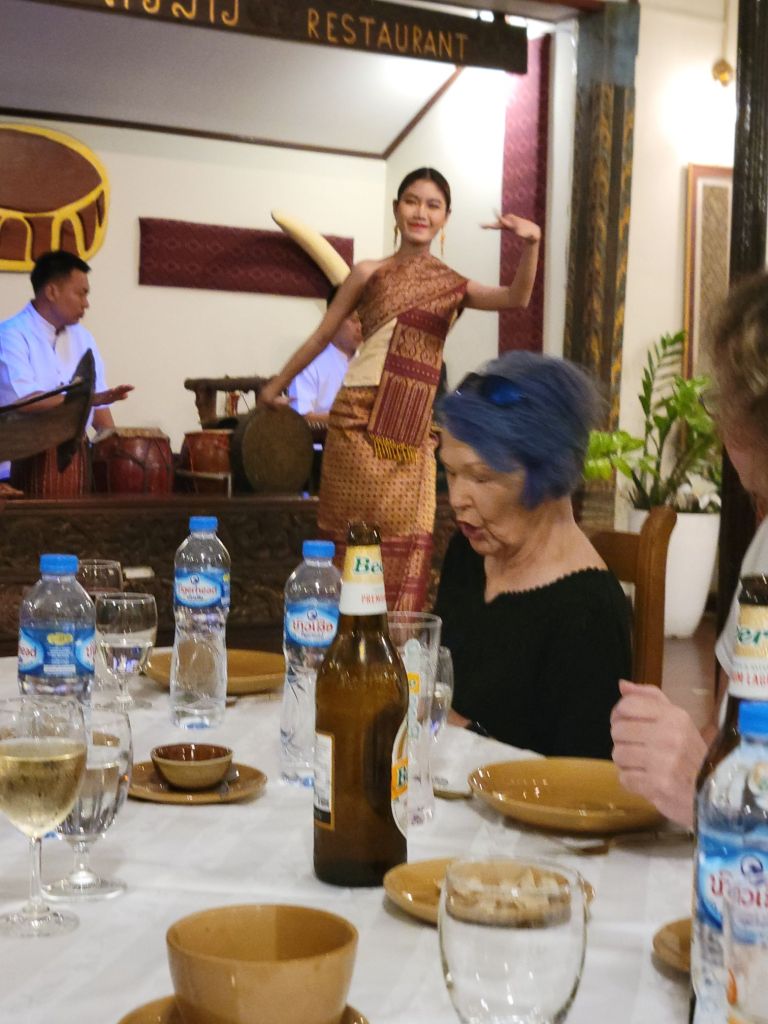
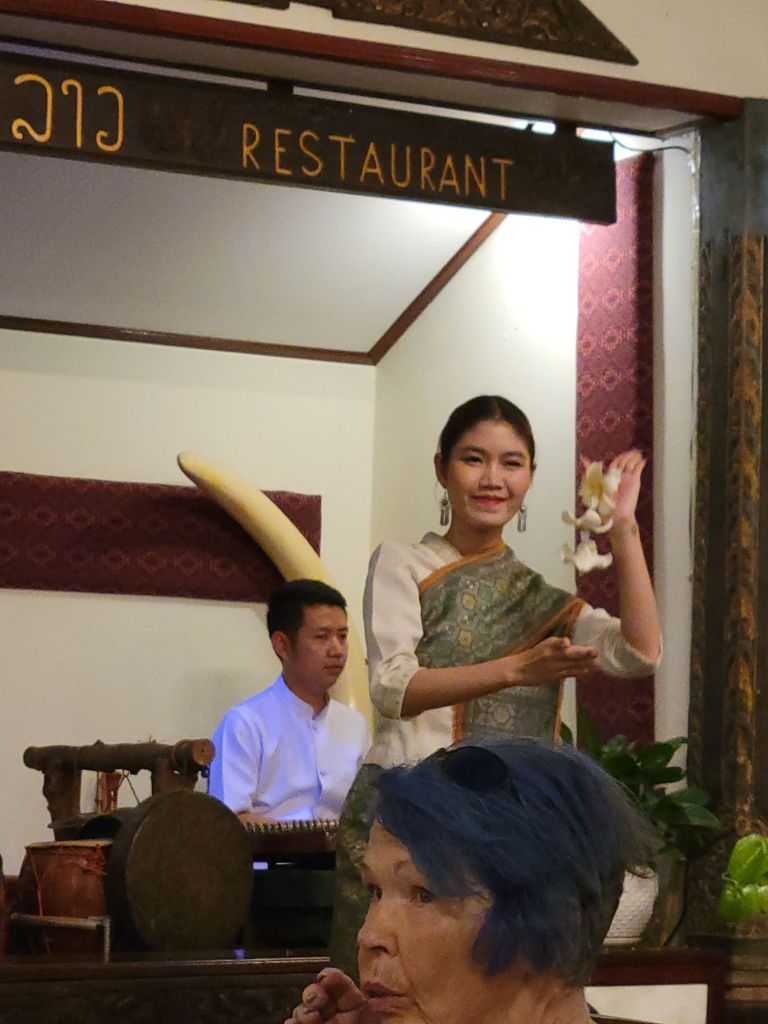

This was a very popular restaurant that seemed popular with groups as we notice other large groups sitting for dinner. I tried to share the food because I find it is a common question from friends. I thought the food was good, fresh and healthy as it included lots of vegetables. All the restaurants I found were extremely accommodating to your specific needs. One thing for sure was whatever your preference it was served in abundance.
Goodbye to Laos, and hello to Cambodia our next stop.
 Xlcrgirl's blog